

Resistors for Wind & Solar Inverters
Utility-scale solar inverters (string 100 kW–350 kW, central 1.5 MW–5 MW) and wind converters (DFIG 1.5–3 MW, full-converter 3–15 MW) use resistors at three critical points. Crowbar resistors short the rotor circuit during low-voltage ride-through (LVRT) per IEC 61400-21, dissipating up to 100 kJ in 200 ms — typically 0.1–1 Ω stainless or NiCr edge-wound elements rated for 50 kA pulse. Chopper resistors clamp the DC link at 1100 V (1500 VDC systems) with 5–25 kW continuous and 100 kW peak. DC-link discharge resistors safely drain bus capacitors after grid disconnect for service. Hongyi cabinet solutions (5–500 kW, IP54/IP65, EN 50155 compliant) integrate forced-air or water cooling with PT100 monitoring for 25-year wind-farm and solar-farm service life.
Key Requirements
- Crowbar: 0.1–1 Ω, 50 kA / 200 ms pulse, IEC 61400-21 LVRT compliance
- Chopper: 5–25 kW continuous at 1100 V DC clamp (1500 VDC systems)
- DC-link discharge to <60 V in <60 s for service safety per EN 50178
- 25-year design life with C5-M corrosion class for offshore / coastal sites
- Forced-air or water cooling rated for ambient up to +50°C in array boxes
- Cabinet IP54/IP65 plus PT100 / thermostat for SCADA monitoring
How to Select
- For DFIG, calculate crowbar energy from short-circuit fault profile (utility grid code)
- Match chopper resistance to inverter manufacturer's clamp threshold (typically 1080–1130 V)
- Confirm IEC 61400-21 ride-through curve for your local grid code (EN 50549, IEEE 1547)
- For floating arrays / offshore, specify 316L stainless enclosure and silicone-cable terminals
- Use water cooling for >50 kW where forced-air would exceed 80 dB(A) sound limits
- Spec PT100 + Modbus RTU for direct SCADA integration in wind/solar OEM platforms
Recommended Products
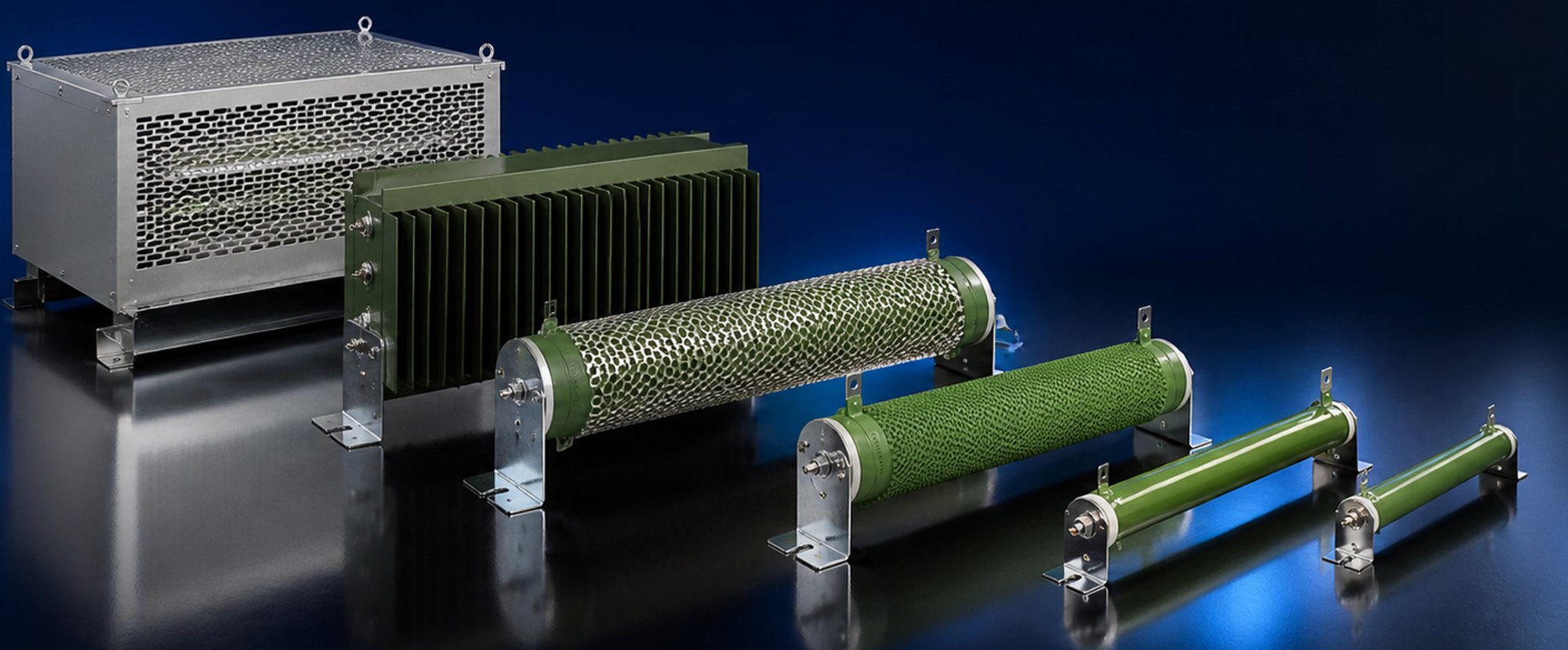
High-Power Resistors
Industrial-grade braking and discharge solutions covering 50W ~ 100kW
View product family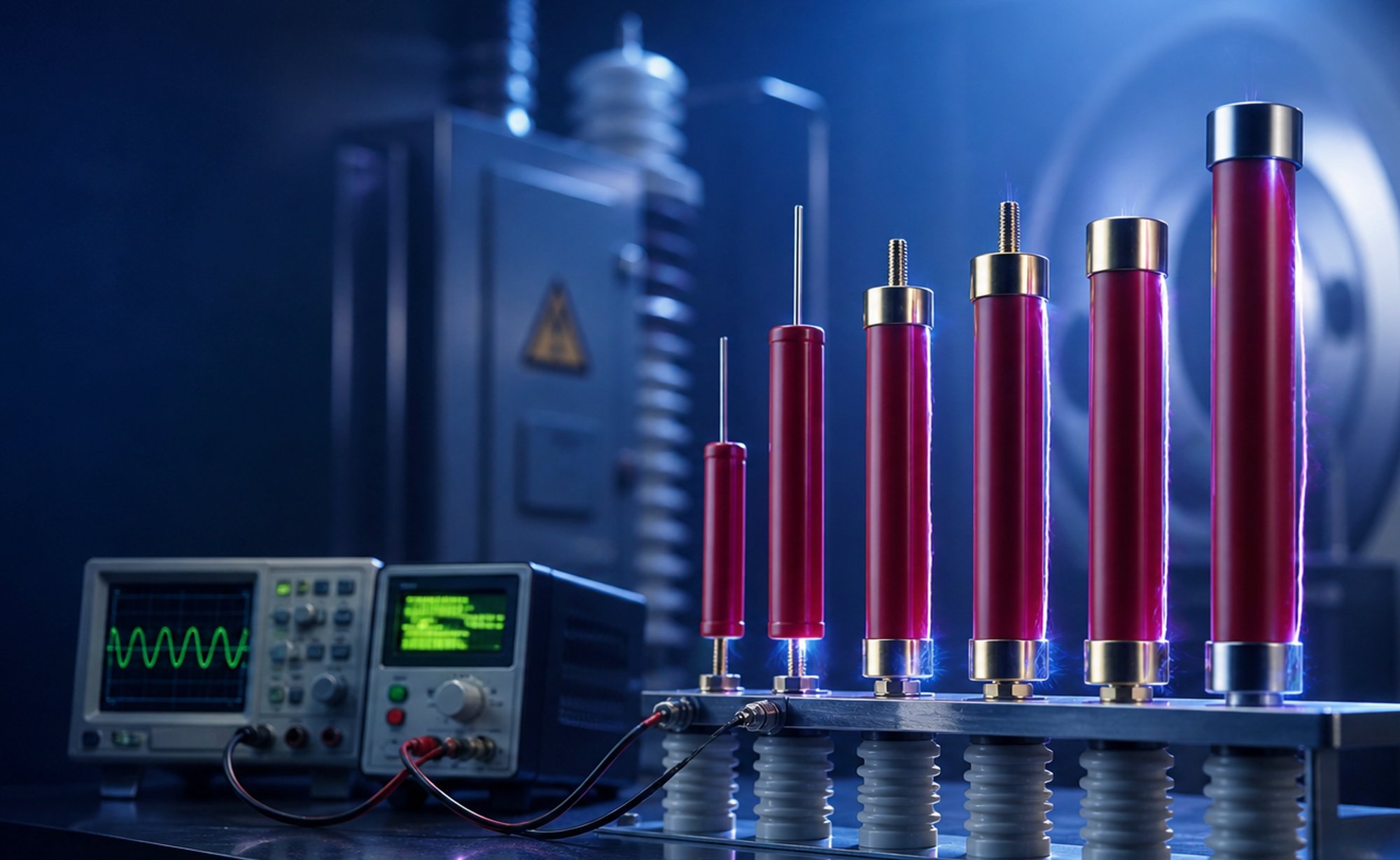
High-Voltage Resistors
Professional resistors for high-voltage pulse, discharge, X-ray and HV measurement
View product family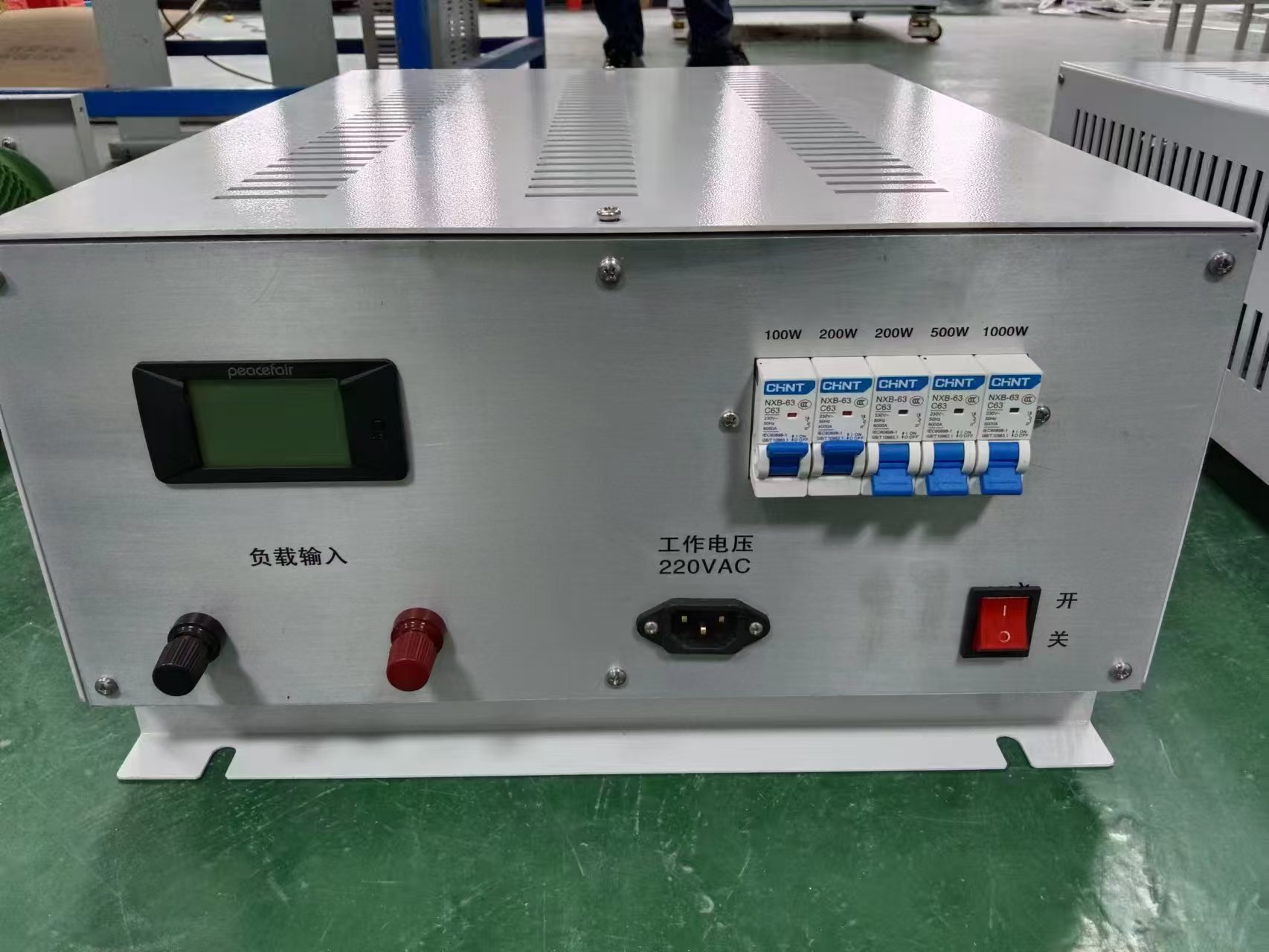
Resistor Boxes
Integrated resistor cabinet solutions for industrial braking and energy dissipation
View product family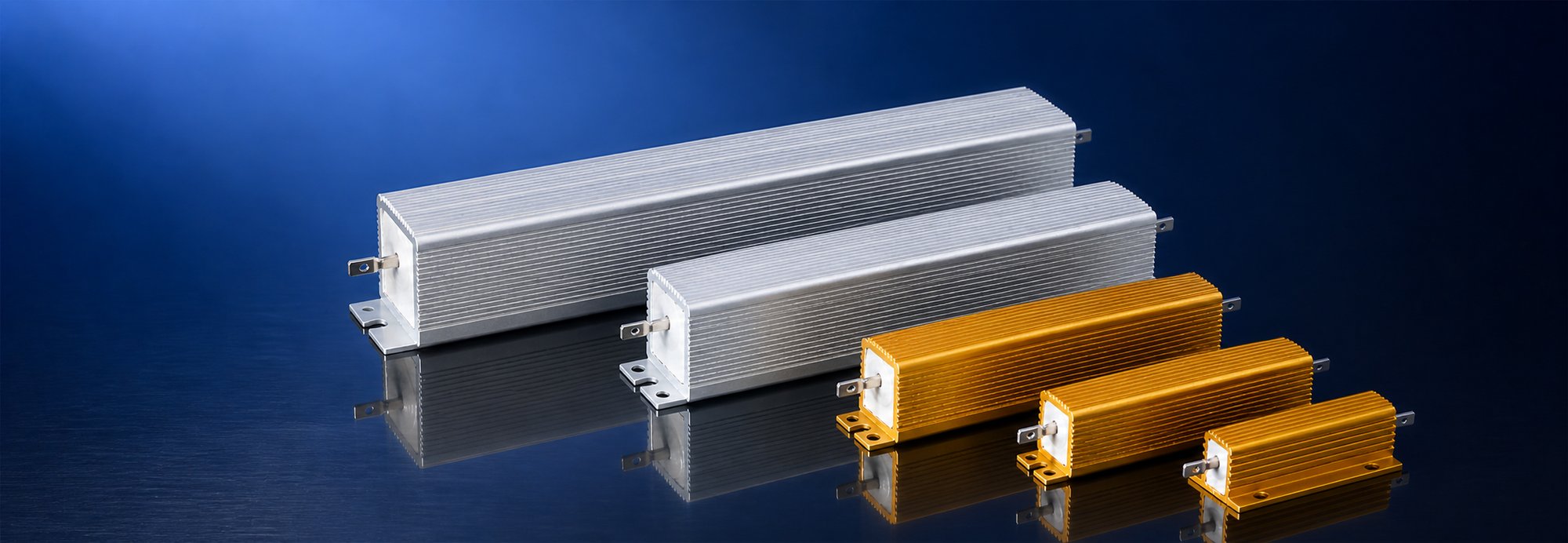
Aluminum Housed Resistors
Aluminum-housed resistors with superior heat dissipation — ideal for inverters, servo drives and other high-power applications
View product familyRelated Articles
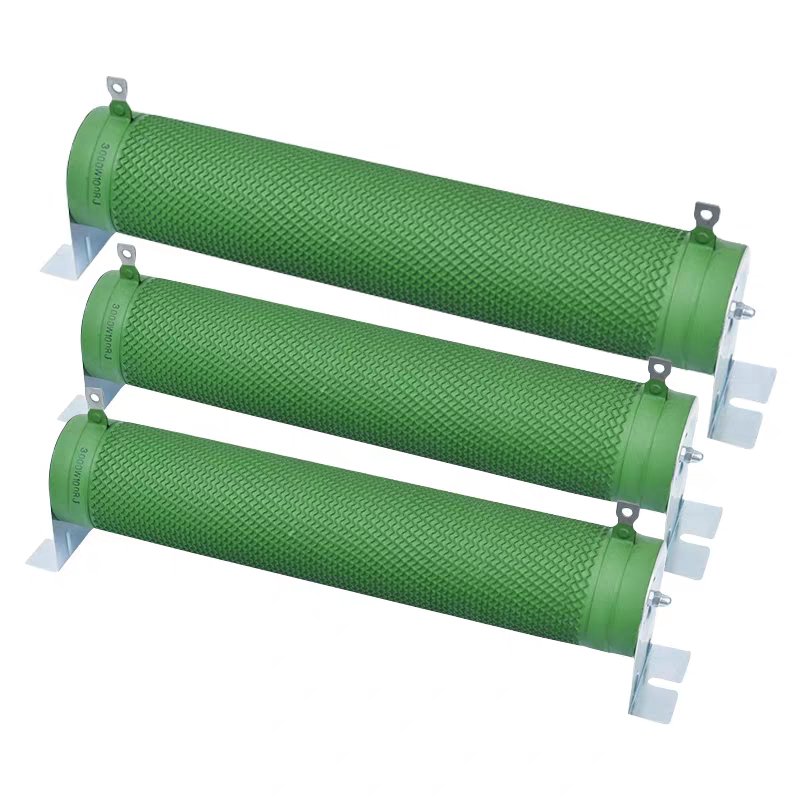
How to Choose a High-Power Braking Resistor — A 2026 Engineer's Guide
Five common sizing mistakes, the formulas you actually need (with worked example), and how to read derating curves correctly.
Read article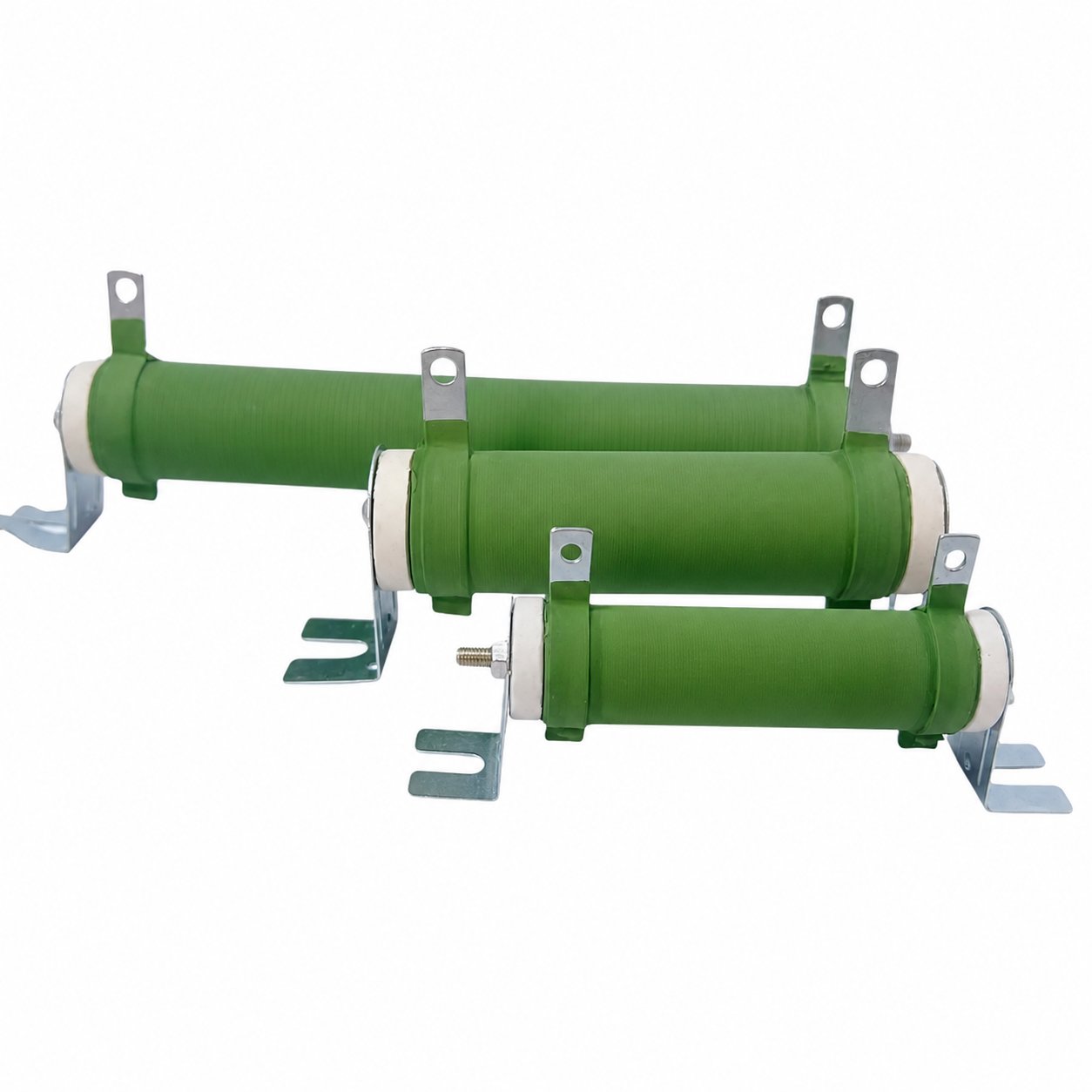
Resistor Failure Modes and Reliability — An Engineer's Guide
Five failure modes, the physics behind each, how to detect them in test, and design rules that yield 100k-hour MTBF in real industrial environments.
Read articleFrequently asked questions
What is a crowbar resistor and why does a DFIG wind turbine need one?
How long do brake chopper resistors last in a 1500 VDC solar inverter?
Do I need separate resistors for grid-tie pre-charge, chopper and discharge, or can one resistor do all three?
Are your resistors certified for offshore wind installations?
Sample Request
Standard samples are provided free of charge in reasonable quantities (shipped within 2–3 business days). Custom samples are delivered within 2–4 weeks. Please use the form on the right to tell us:
- Company and contact details
- Target part number or key specs (power / resistance / package)
- Application scenario and estimated annual volume
- Shipping address and expected delivery date