
Resistors for Rail Traction & Electric Trains
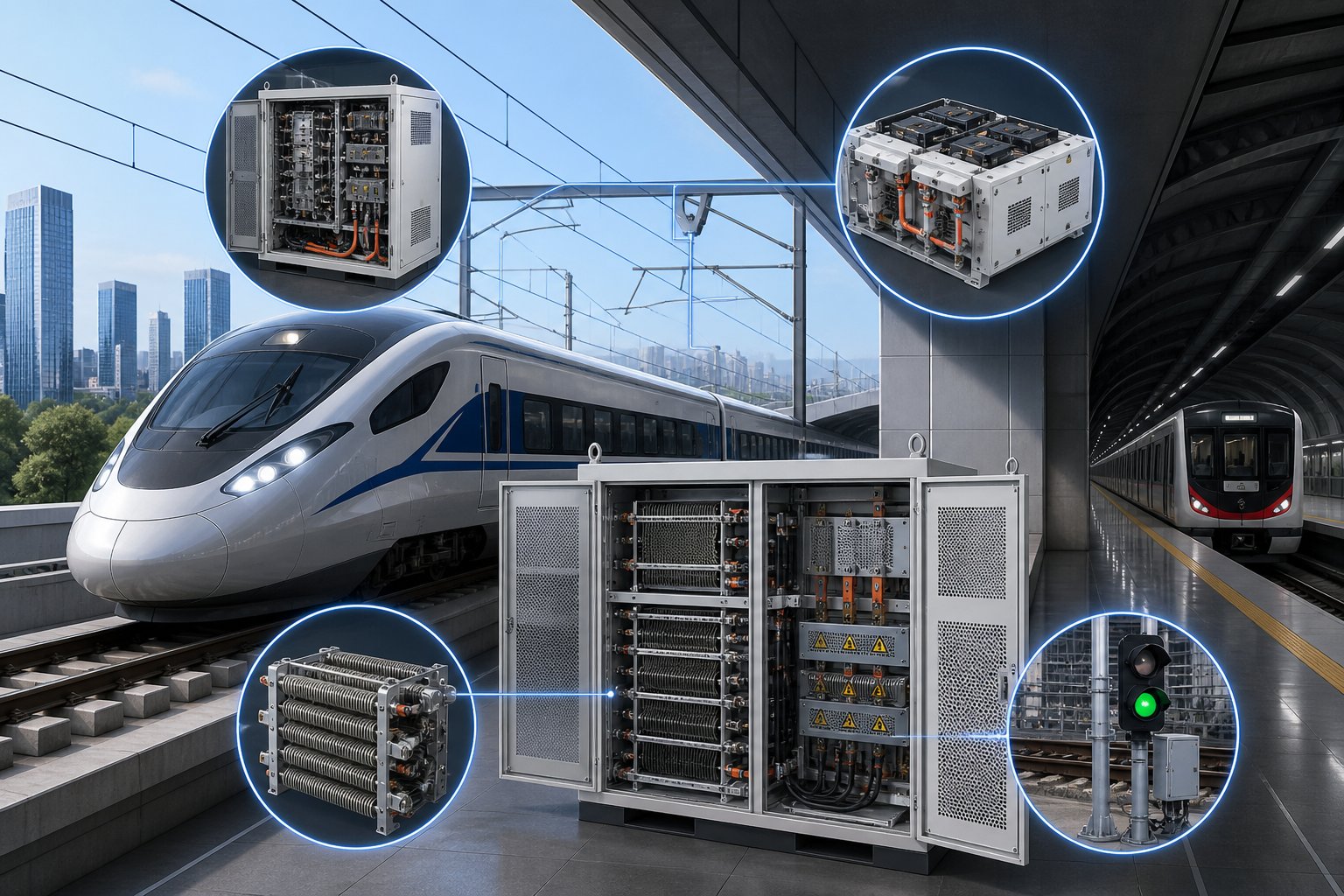
An 8-car EMU at 200 km/h carries ~250 MJ of kinetic energy — enough to boil 700 L of water on every brake application. Dynamic brake resistors mounted on the carriage roof dissipate this regenerative energy as heat, preventing OHL voltage rise and supplementing friction brakes per UIC 541-5. Typical traction resistor banks rate 1–4 MW peak, 200–800 kW continuous, in 25 kV AC or 1500/3000 VDC platforms. Earth-fault resistors (1–10 kΩ, 1–10 kW) limit fault current on ungrounded auxiliary buses per EN 50124. Hongyi rail-grade resistors meet EN 50155 (rolling stock), EN 50121-3-2 (EMC), EN 45545-2 HL3 (fire/smoke), and IEC 60322 type-tests. Designed for −40°C to +70°C cab temperatures, 1.5g shock and 0.5g vibration, with 30-year design life for high-speed rail (CR400, ICE, TGV, Shinkansen) and metro fleets.
Key Requirements
- EN 50155 environmental class T3 (-40°C to +85°C) and EN 50121-3-2 EMC compliance
- EN 45545-2 HL3 fire & smoke compliance — mandatory for EU passenger rolling stock
- Dynamic brake bank: 1–4 MW peak, 200–800 kW continuous, ≥10 second pulse capacity
- Earth-fault: 1–10 kΩ ±5%, 1–10 kW continuous on 380 V 3-phase auxiliary bus
- Roof-mount cooling fins designed for 200 km/h slipstream + 50 W/m² solar load
- 30-year design life with type-test per EN 50155 §13 thermal/vibration/shock
How to Select
- Verify EN 45545-2 hazard level (HL2/HL3) per cabinet location and certification scheme R1/R7
- Cross-reference your traction converter OEM (Bombardier MITRAC, Siemens SF6, CRRC) for connector type
- Confirm EMC pre-compliance: shielded HV cable feed, common-mode chokes, surge arresters at terminals
- For Δ50°C cab pollution-degree 4, spec C5-M painted housing with stainless fasteners
- Bench-test pulse rating with actual deceleration profile (10 s peak, then 60 s cool-down)
- Document MTBF via EN 61709 reliability calculation — passenger rail demands ≥10⁶ hours
Recommended Products
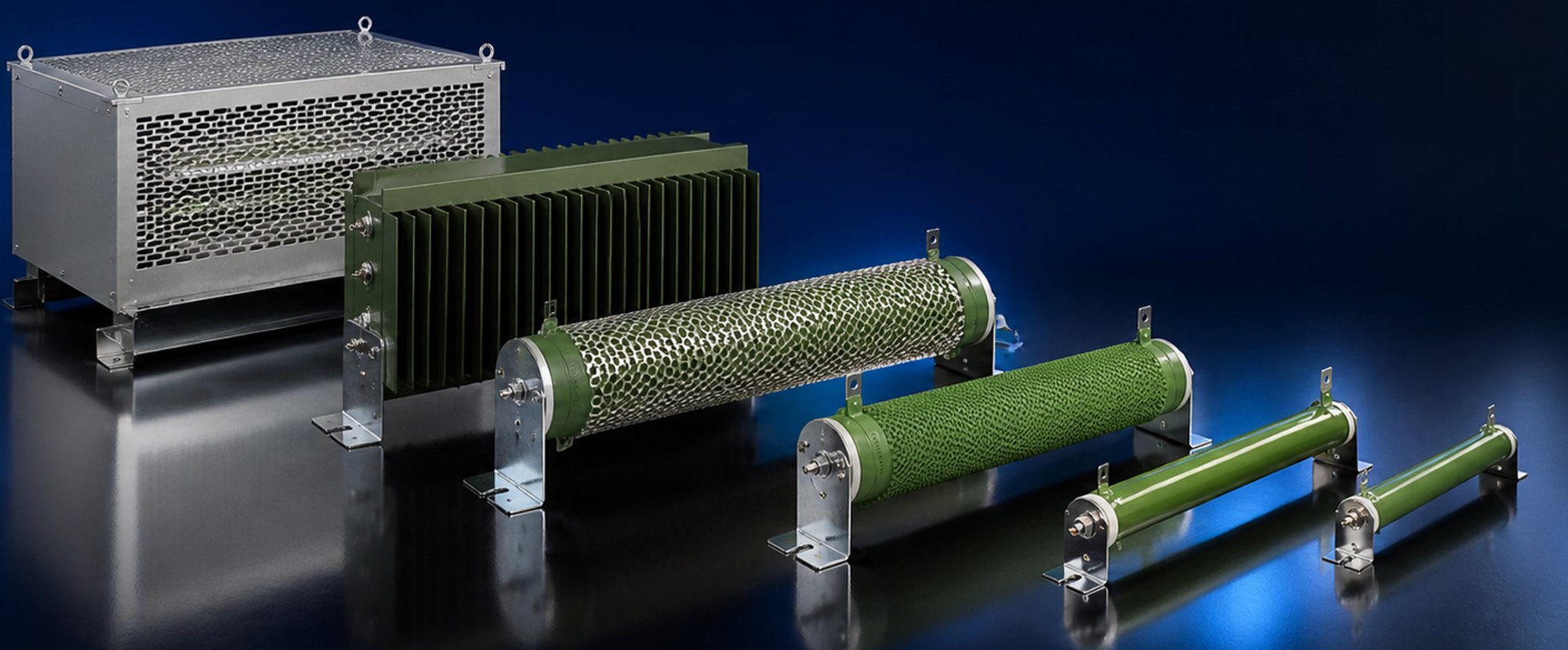
High-Power Resistors
Industrial-grade braking and discharge solutions covering 50W ~ 100kW
View product family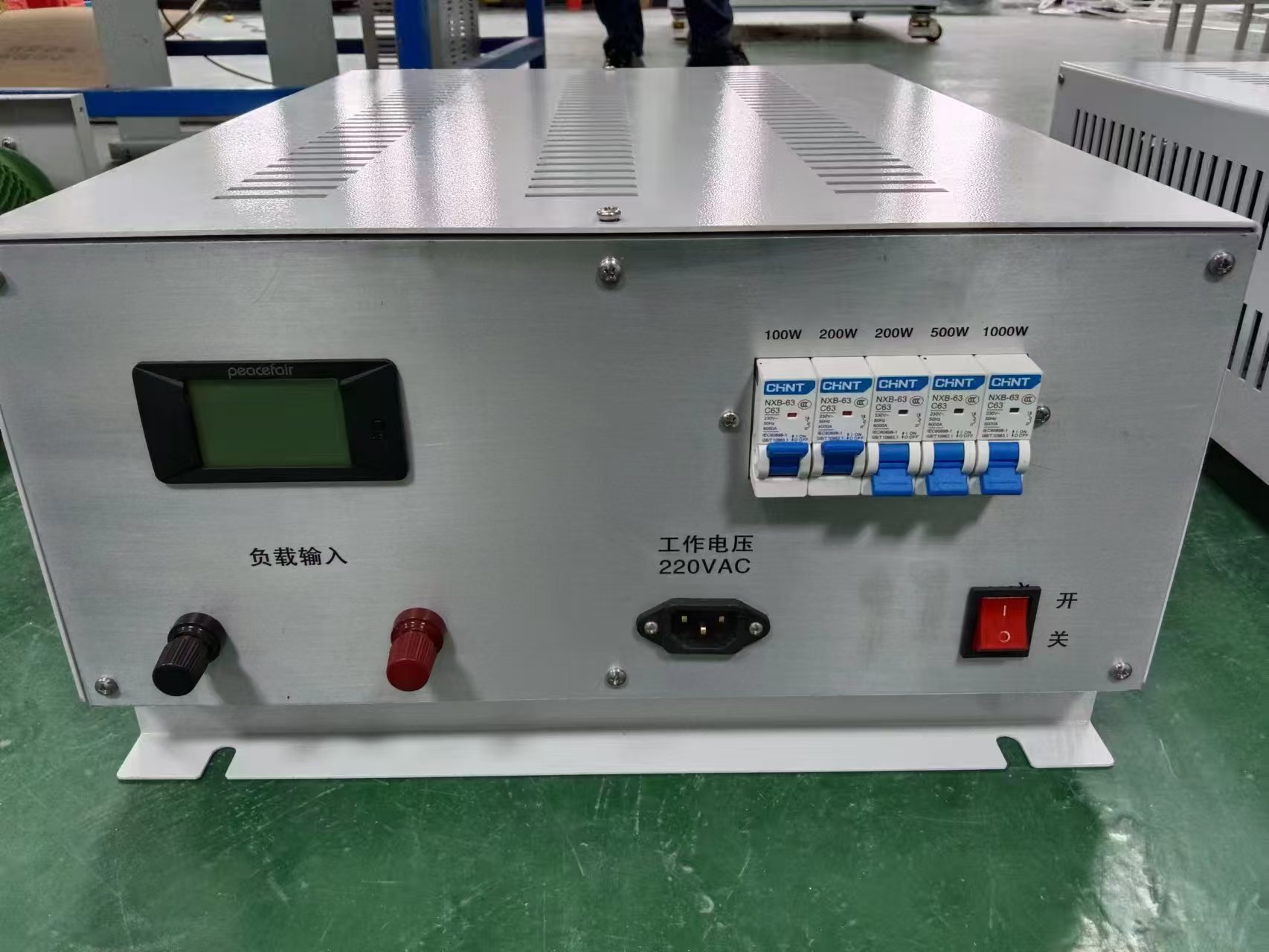
Resistor Boxes
Integrated resistor cabinet solutions for industrial braking and energy dissipation
View product family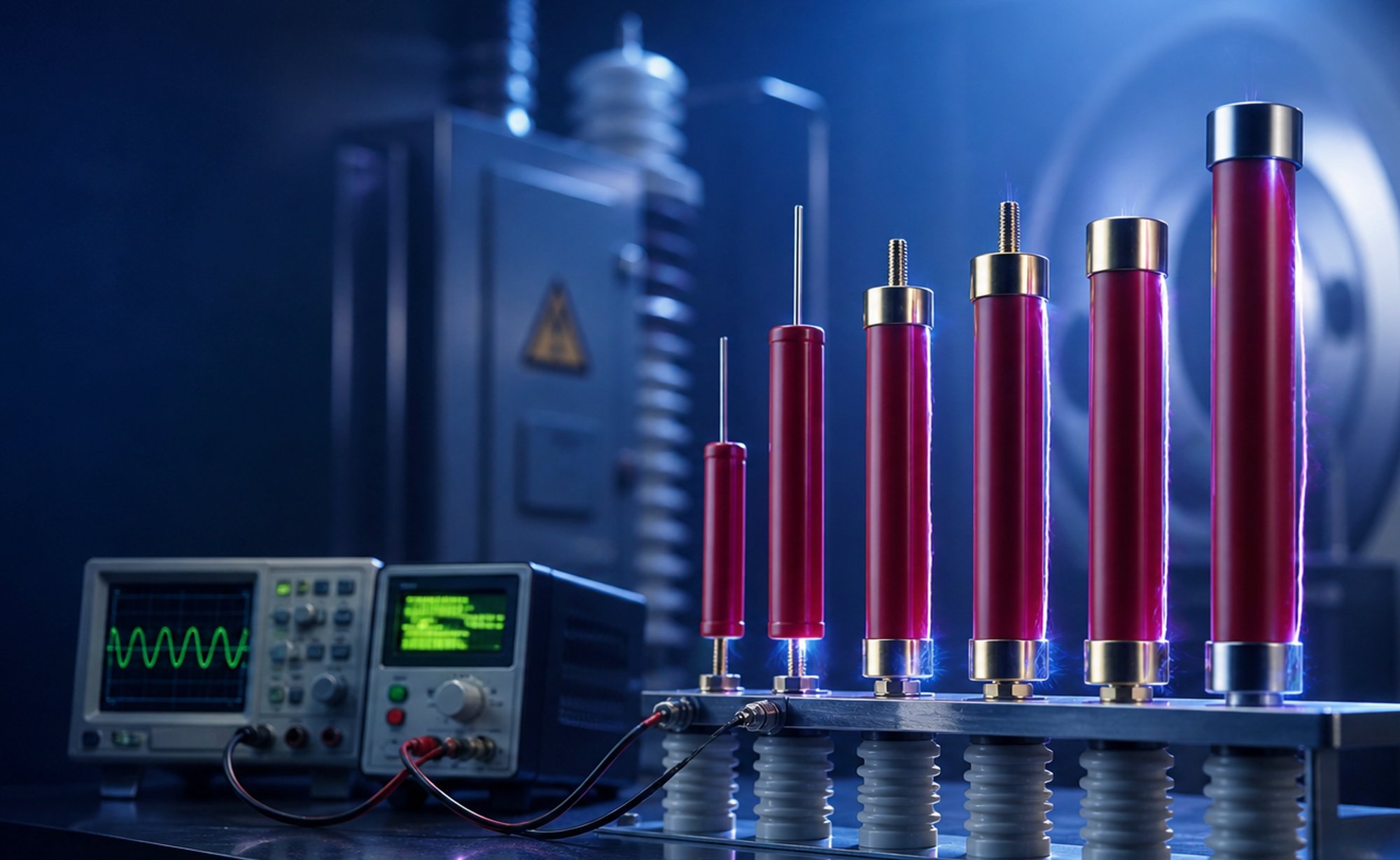
High-Voltage Resistors
Professional resistors for high-voltage pulse, discharge, X-ray and HV measurement
View product familyRelated Articles
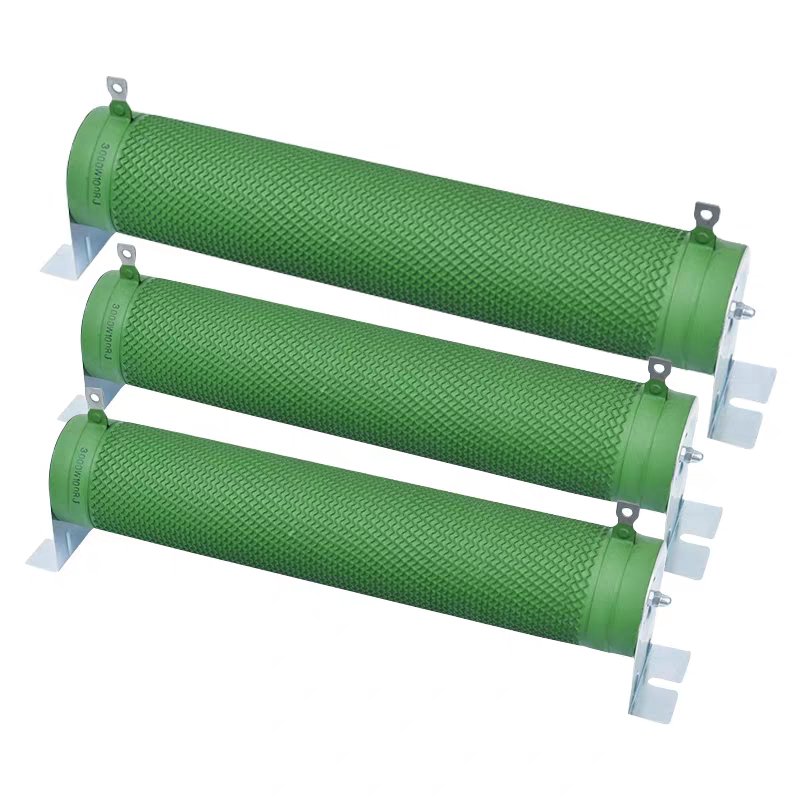
How to Choose a High-Power Braking Resistor — A 2026 Engineer's Guide
Five common sizing mistakes, the formulas you actually need (with worked example), and how to read derating curves correctly.
Read article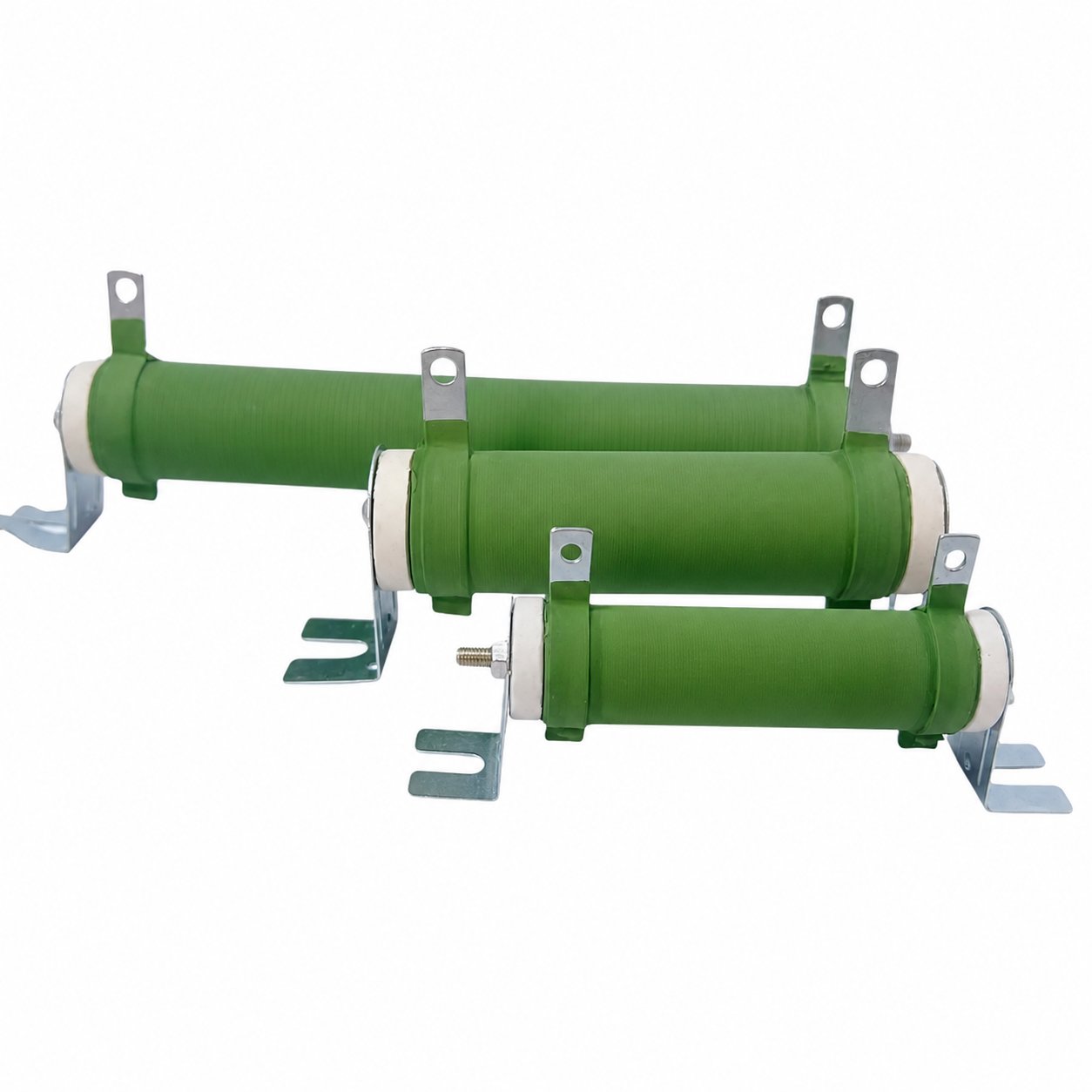
Resistor Failure Modes and Reliability — An Engineer's Guide
Five failure modes, the physics behind each, how to detect them in test, and design rules that yield 100k-hour MTBF in real industrial environments.
Read articleFrequently asked questions
What is the difference between dynamic and regenerative braking on an electric train?
What is the EN 45545-2 fire-safety classification, and which level applies to my train?
How do you cool a 4 MW peak resistor bank on the roof of a high-speed train?
Are your rail resistors qualified for export to specific networks like SNCF, Deutsche Bahn, or JR East?
Sample Request
Standard samples are provided free of charge in reasonable quantities (shipped within 2–3 business days). Custom samples are delivered within 2–4 weeks. Please use the form on the right to tell us:
- Company and contact details
- Target part number or key specs (power / resistance / package)
- Application scenario and estimated annual volume
- Shipping address and expected delivery date