
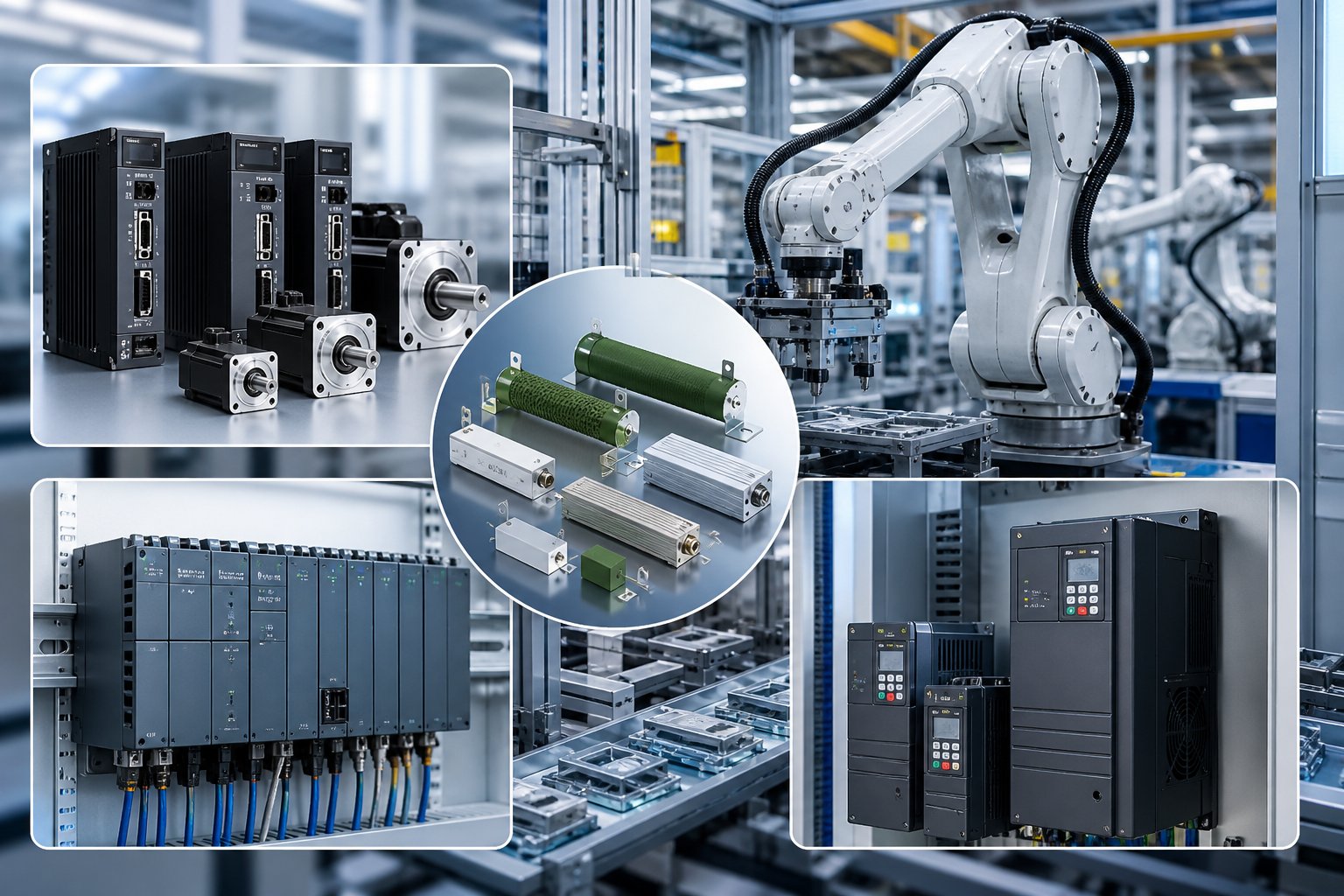
Heating Resistors for Industrial Process Heating
Industrial process heating consumes ~30% of global manufacturing energy. From plastic extruders (200–400°C) to steel-strip annealing furnaces (1100°C) to crystal-growth Czochralski pullers (1500°C), heating resistors convert electrical energy directly to thermal energy — Joule heating with near-100% conversion efficiency. Hongyi supplies wire-wound (NiCr 80/20, FeCrAl Kanthal A1) and ribbon-wound elements rated 50 W to 100 kW per element, in straight rod, hairpin, coil, or panel geometries. Standard rod heaters use Inconel 600 sheaths for 800°C continuous service; high-temp ceramic-fiber-insulated elements reach 1500°C in MoSi₂ or SiC hybrid construction. Watt density typical 4–8 W/cm² for free convection, up to 25 W/cm² for forced air or oil immersion. Designed per IEC 60519-2 (industrial electroheat) with Class I or Class III insulation, PT100/thermocouple Type K/N feedback wells, and NEMA 4X / IP66 terminal boxes for explosive-zone (ATEX Zone 2) installations.
Key Requirements
- Element material chosen by max temperature: NiCr 80/20 ≤ 1200°C, FeCrAl Kanthal A1 ≤ 1400°C, MoSi₂ ≤ 1700°C
- Watt density 4–8 W/cm² for free convection, 8–15 W/cm² forced air, 15–25 W/cm² oil/water immersion
- Sheath material: stainless 316L (≤ 700°C), Incoloy 800 (≤ 850°C), Inconel 600 (≤ 1100°C)
- Insulation: Class I (grounded sheath) or Class III (SELV ≤ 50 V) per IEC 60519-2
- PT100 RTD or thermocouple Type K/N well integrated for closed-loop control
- ATEX Zone 1/2 or IECEx EPL Gb certification for hazardous-area heat-trace
How to Select
- Calculate required heat: Q = m × Cp × ΔT / time, then add 30% for losses and warm-up margin
- Pick element geometry to fit the heated medium (rod for liquids, panel for radiant surface heating)
- Confirm sheath material is chemically compatible (Inconel for sulfur, Incoloy for chloride)
- Specify watt density below 80% of the curve limit for given media to maximize element life
- For PID-controlled tanks, add a safety thermostat (limit) wired in series with main contactor
- Inspect for SCR/SSR control compatibility — wirewound elements handle phase-angle better than ceramic
Recommended Products
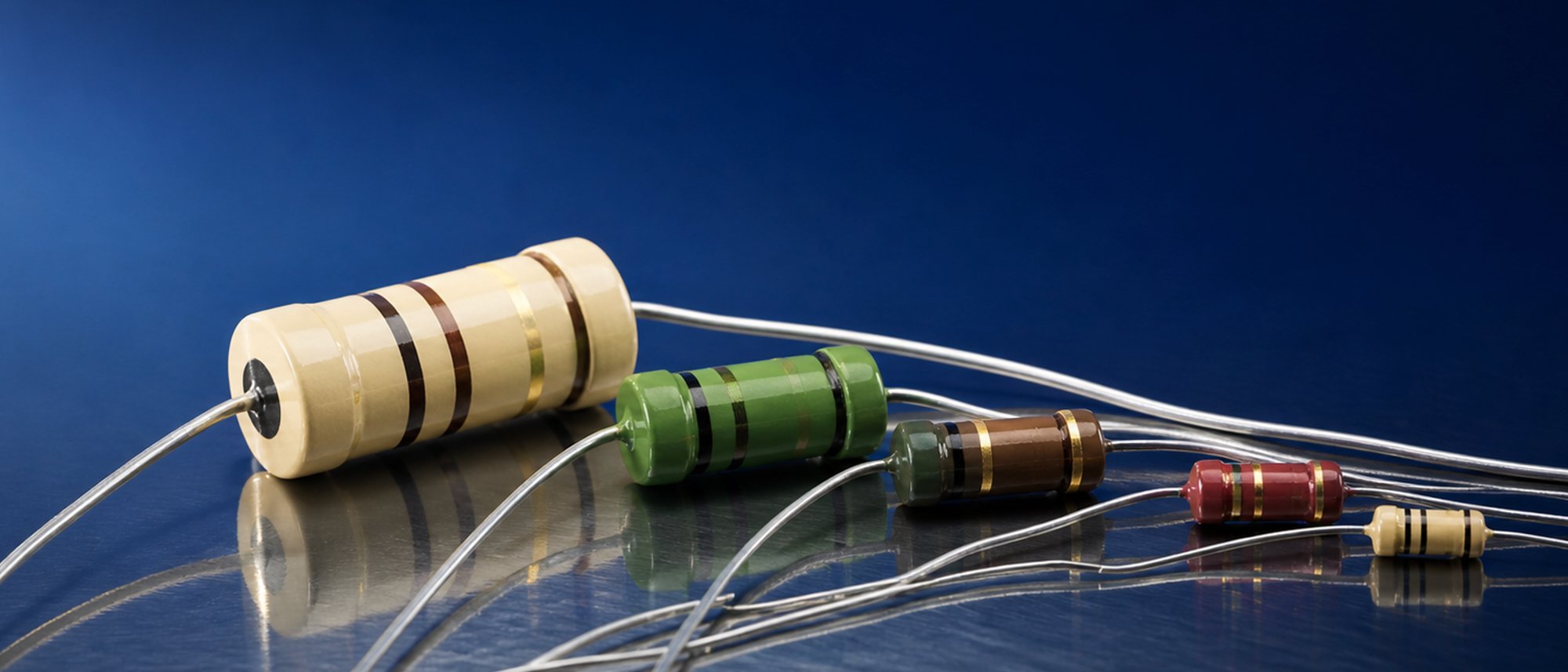
Wirewound Resistors
High-precision, low-noise wirewound resistors for measurement and current sampling
View product family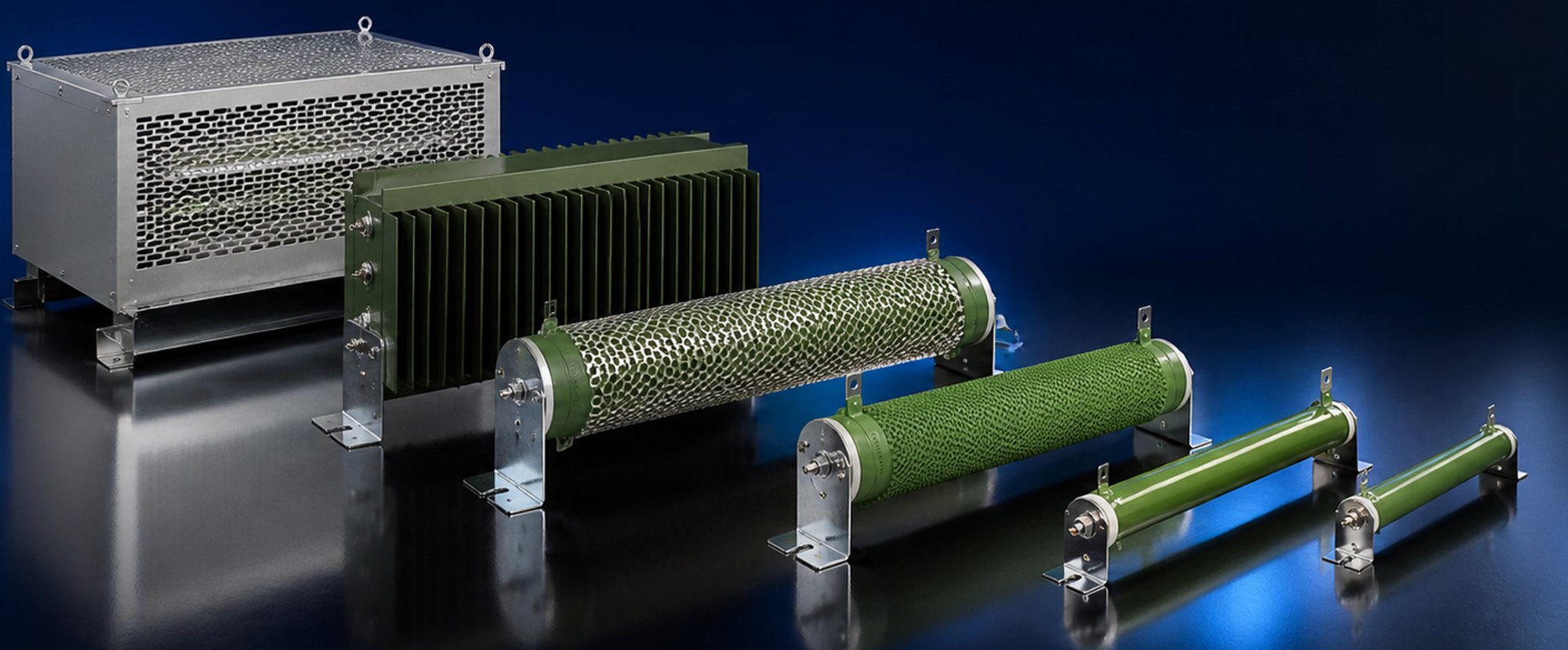
High-Power Resistors
Industrial-grade braking and discharge solutions covering 50W ~ 100kW
View product family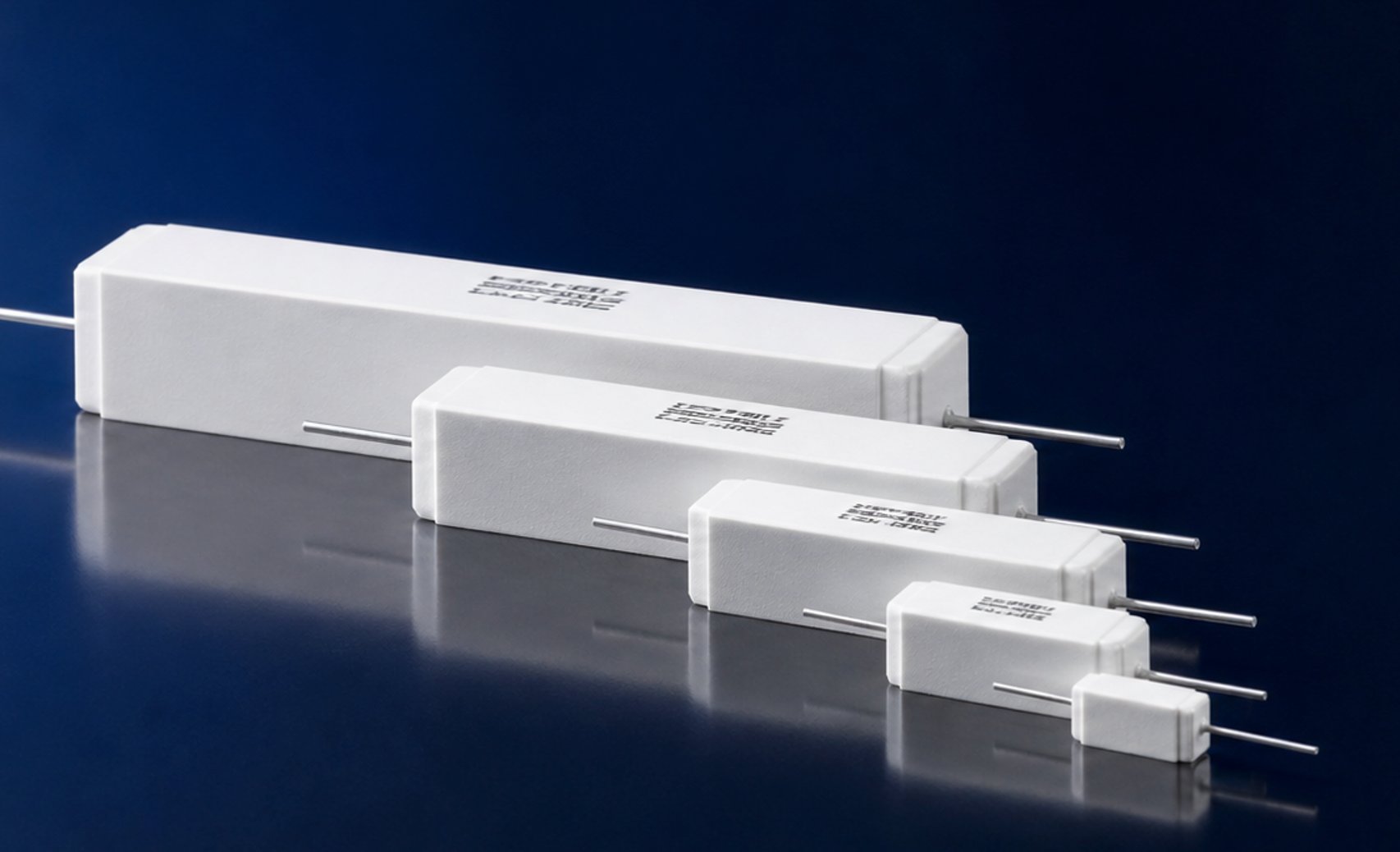
Cement Resistors
Cost-effective power-sampling and current-limiting resistors with vertical / horizontal mounting
View product family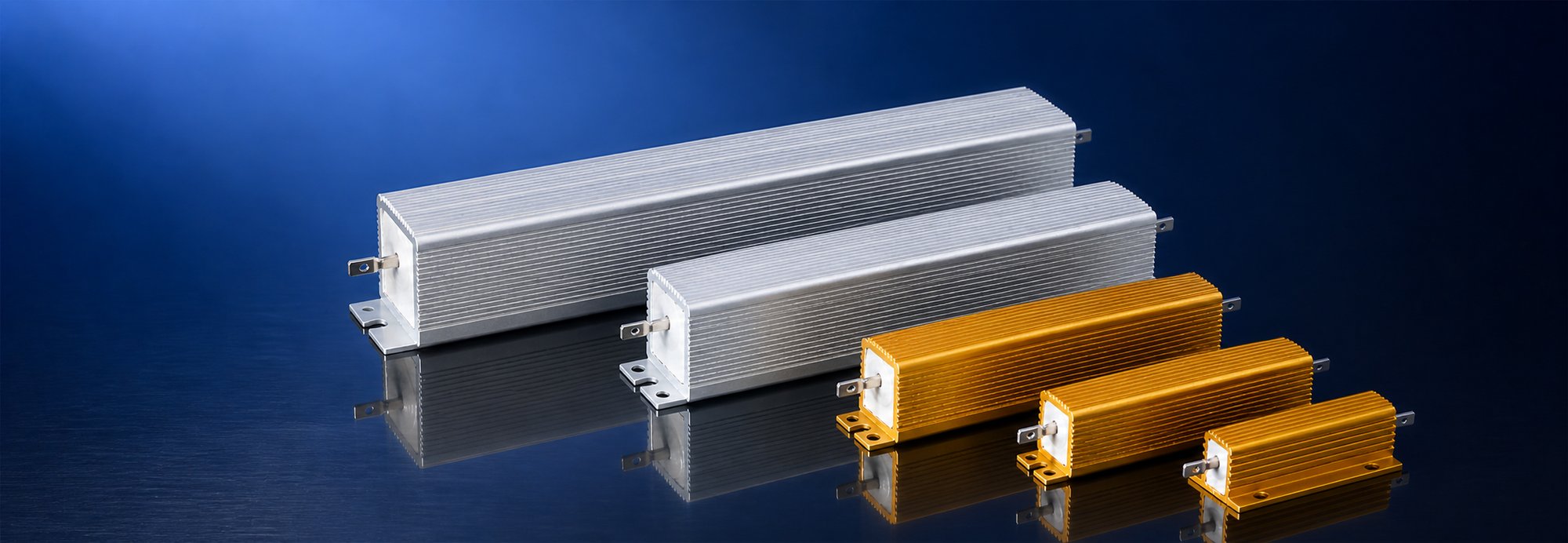
Aluminum Housed Resistors
Aluminum-housed resistors with superior heat dissipation — ideal for inverters, servo drives and other high-power applications
View product familyRelated Articles
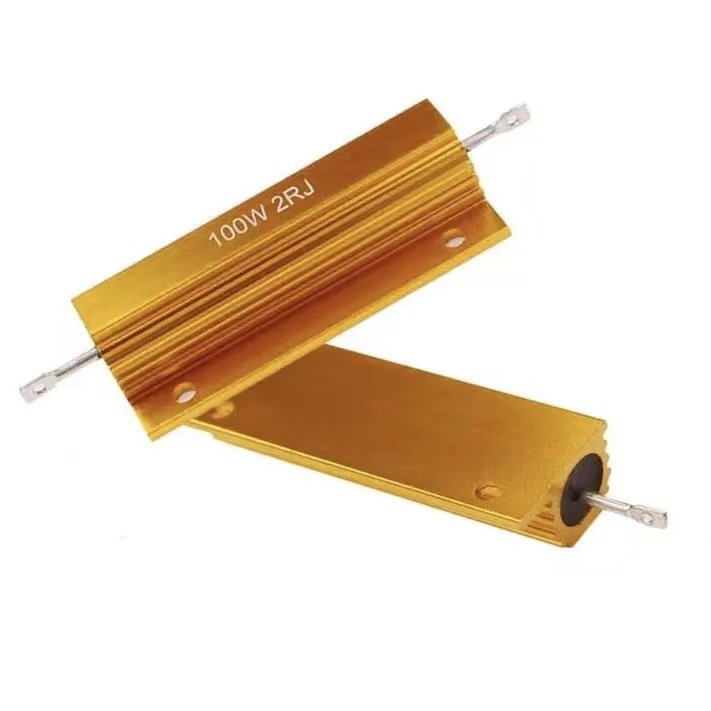
Aluminum Housed vs Cement vs Wirewound Resistors — Complete Comparison
Which family fits your application? A 12-parameter table, decision flowchart, and three real-world case studies.
Read article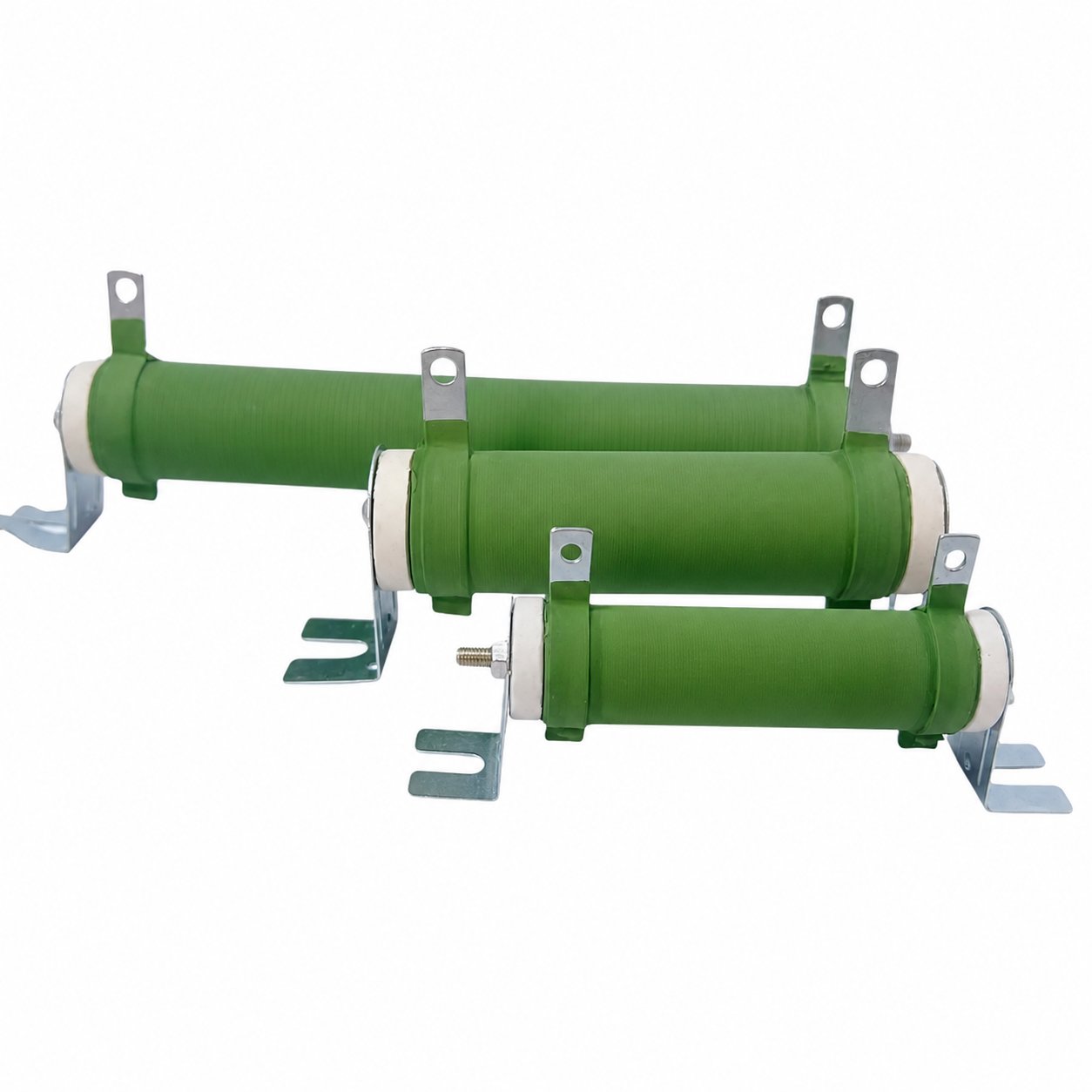
Resistor Failure Modes and Reliability — An Engineer's Guide
Five failure modes, the physics behind each, how to detect them in test, and design rules that yield 100k-hour MTBF in real industrial environments.
Read articleFrequently asked questions
What's the difference between NiCr and FeCrAl heating wire?
Why does my heating element fail at one end while the rest looks fine?
Can your heating elements be controlled by a PID + SSR with phase-angle firing?
Are your heating resistors ATEX/IECEx-certified for use in oil & gas heat-tracing?
Sample Request
Standard samples are provided free of charge in reasonable quantities (shipped within 2–3 business days). Custom samples are delivered within 2–4 weeks. Please use the form on the right to tell us:
- Company and contact details
- Target part number or key specs (power / resistance / package)
- Application scenario and estimated annual volume
- Shipping address and expected delivery date