
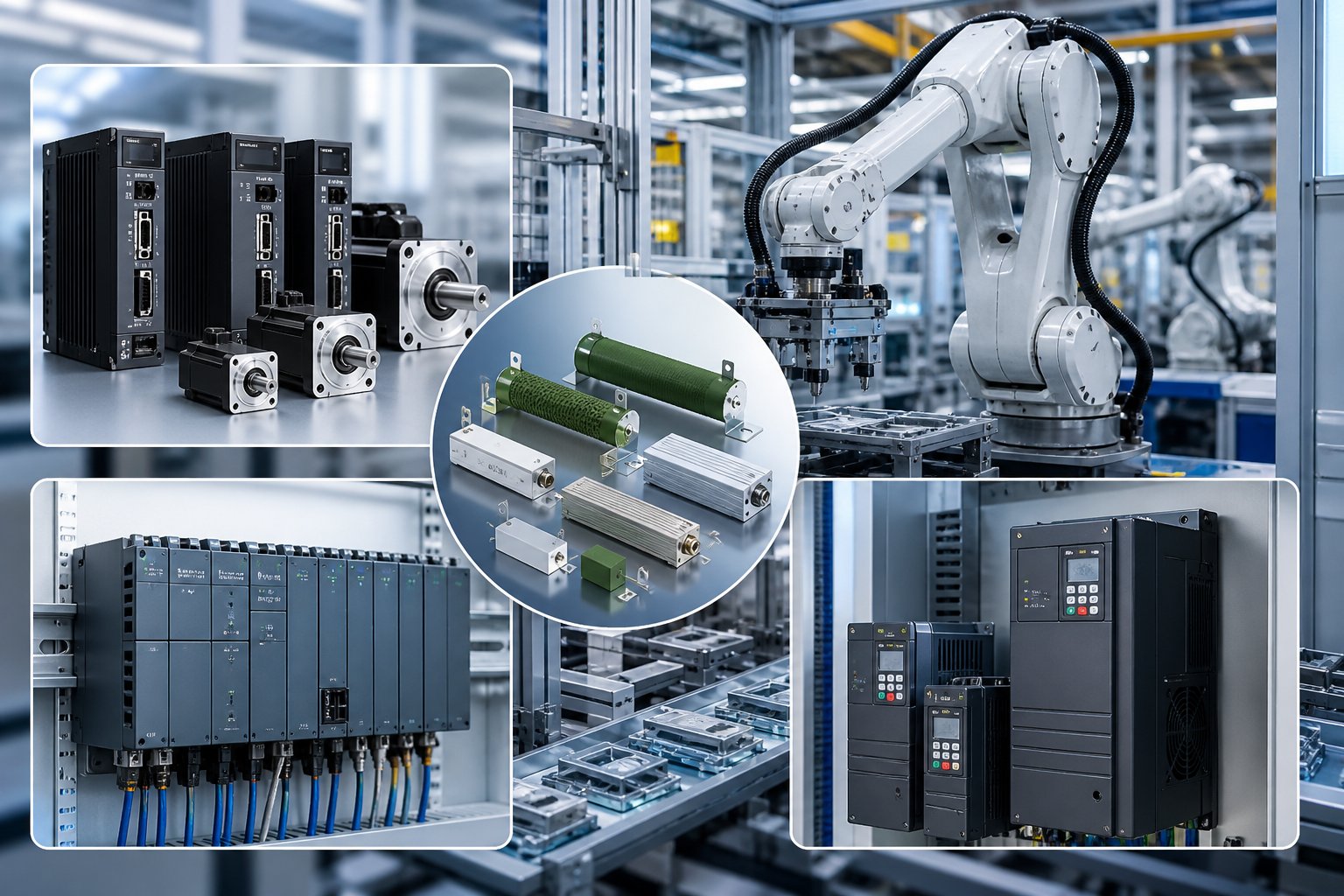
Braking Resistors for Elevators & Cranes
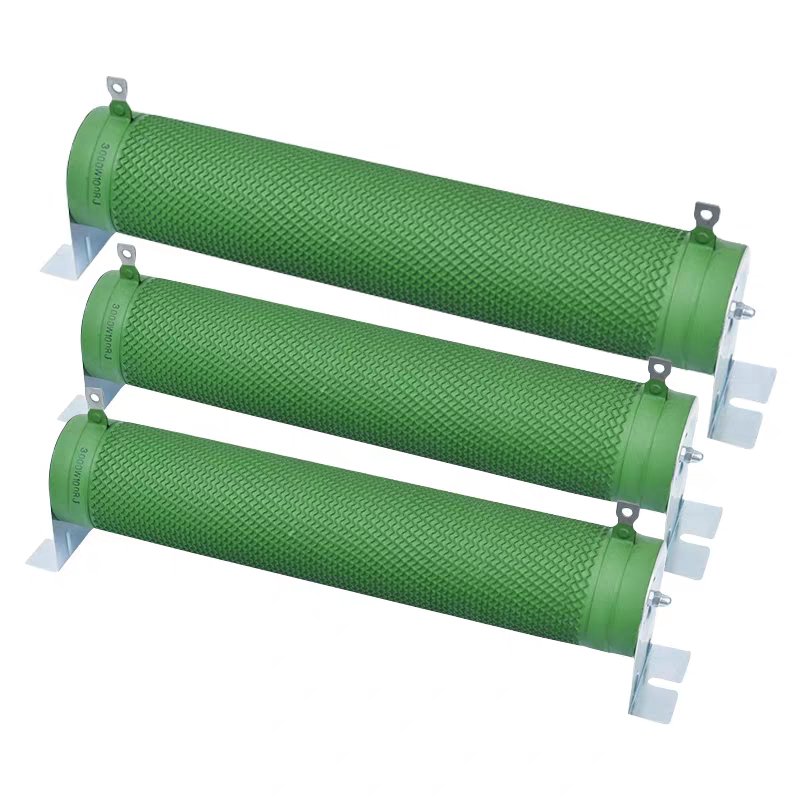
Elevator and crane drives generate large pulses of regenerative energy on every descent or load lowering — a 1000 kg passenger lift descending 30 m at 2.5 m/s recovers ~75 kJ of potential energy in 12 s, peaking at 6 kW into the DC bus. Without a brake resistor or active regen, the inverter trips on over-voltage. EN 81-20 (lifts) and IEC 60204-32 (cranes) require this energy to be safely dissipated within the machine room. Hongyi supplies aluminum-housed and corrugated braking resistors from 0.5 kW to 30 kW per elevator and 5 kW to 200 kW per crane, IP21 indoor or IP54 machine-room cabinets, with thermostat (NC, 120°C) wired to the safety circuit. We carry verified part numbers for KONE, Schindler, Otis, Mitsubishi, Thyssenkrupp lifts and Konecranes, Demag, ZPMC port cranes.
Key Requirements
- Sized to peak descent power: P_peak = m × g × v / η for elevators (typical 5–30 kW)
- Continuous power scaled by trip rate: 1 trip/min ≈ 25% duty for office buildings
- Thermostat NC contact wired into the EN 81-20 safety chain (resistor over-temp = lift stop)
- IP21 / IP30 for indoor machine rooms; IP54 for rooftop or outdoor crane installation
- Low surface temperature option (touch-safe < 70°C casing) for machine-roomless (MRL) lifts
- Vibration-proof terminals per EN 81-20 §5.10 for shaft-mounted resistors
How to Select
- Get nominal load × travel × trips/hour from the lift OEM specification sheet
- Apply duty-cycle factor: 25% for office (1/min), 40% for hospital (heavy traffic), 60% for freight
- Verify the brake resistor catalog wattage exceeds RMS power AND peak power × 1.2
- Spec NC contact thermostat (not NO) — fail-safe opens the safety chain on wire break
- For MRL lifts in shaft top, choose < 80 mm depth aluminum housed for tight clearance
- Match factory cable colour and lug terminations to OEM (Otis brown/blue, KONE black/white)
Recommended Products
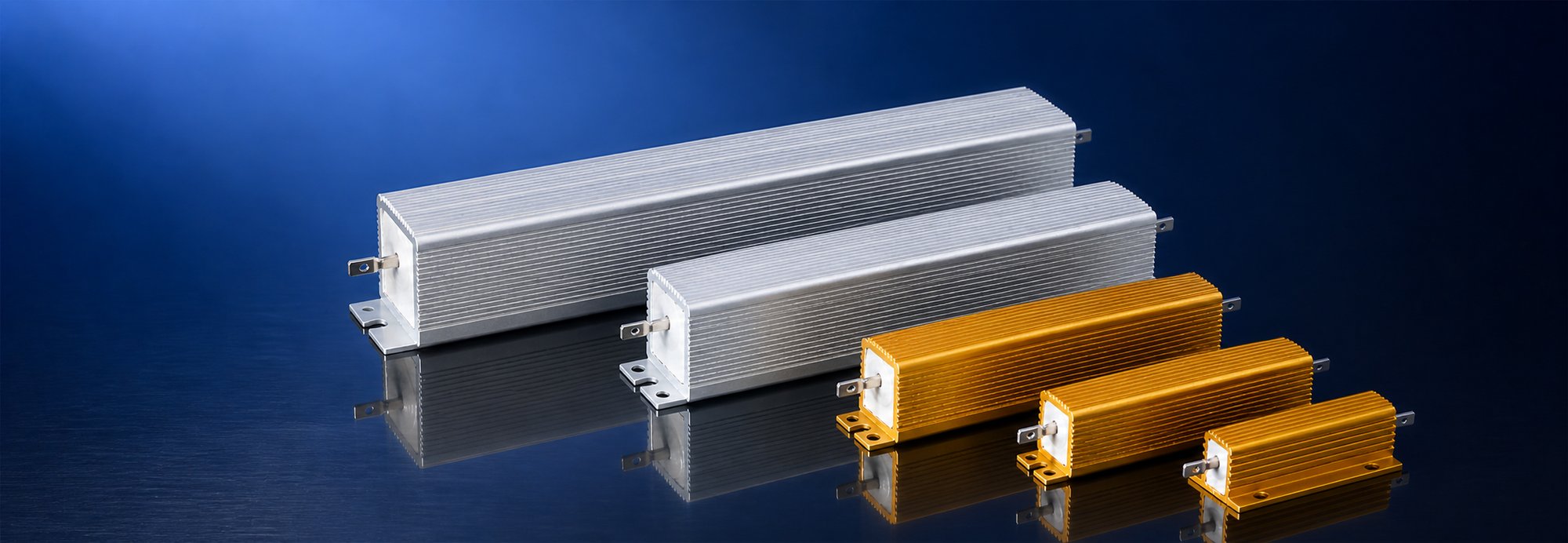
Aluminum Housed Resistors
Aluminum-housed resistors with superior heat dissipation — ideal for inverters, servo drives and other high-power applications
View product family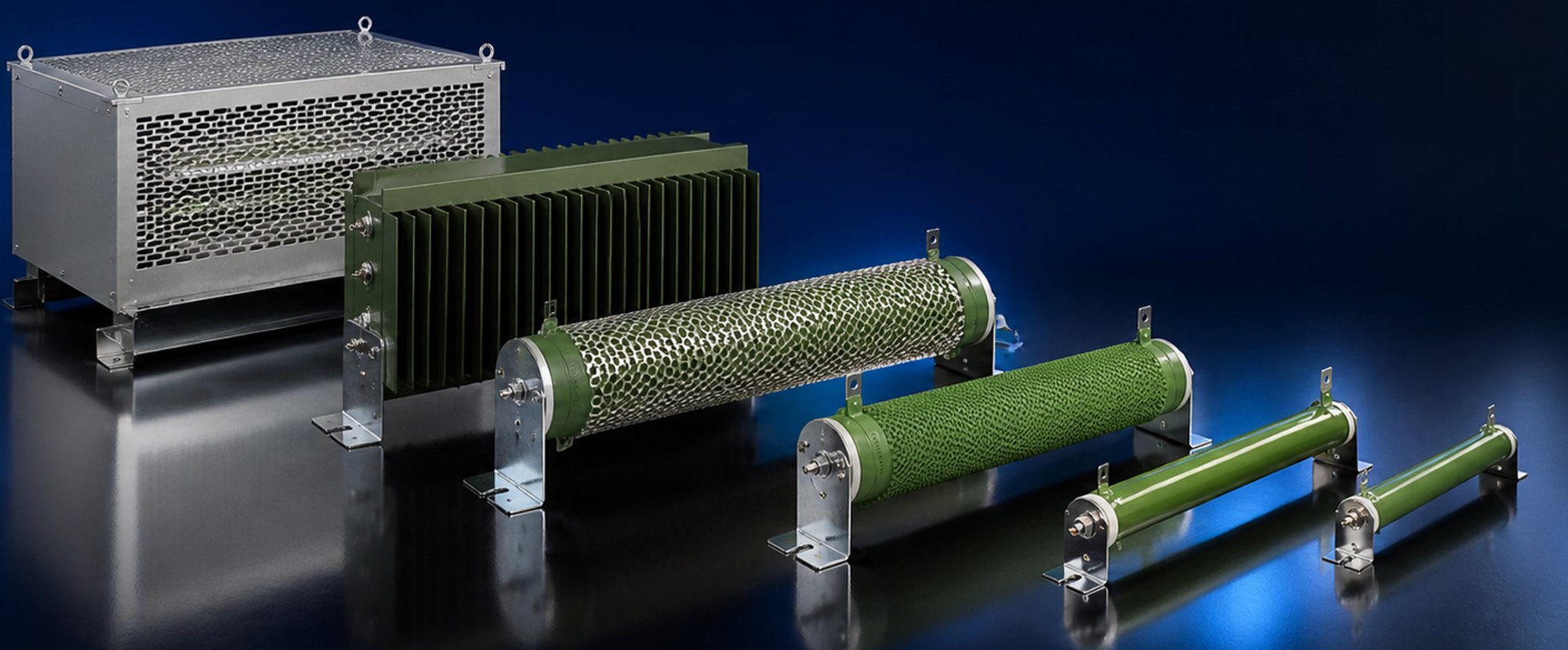
High-Power Resistors
Industrial-grade braking and discharge solutions covering 50W ~ 100kW
View product family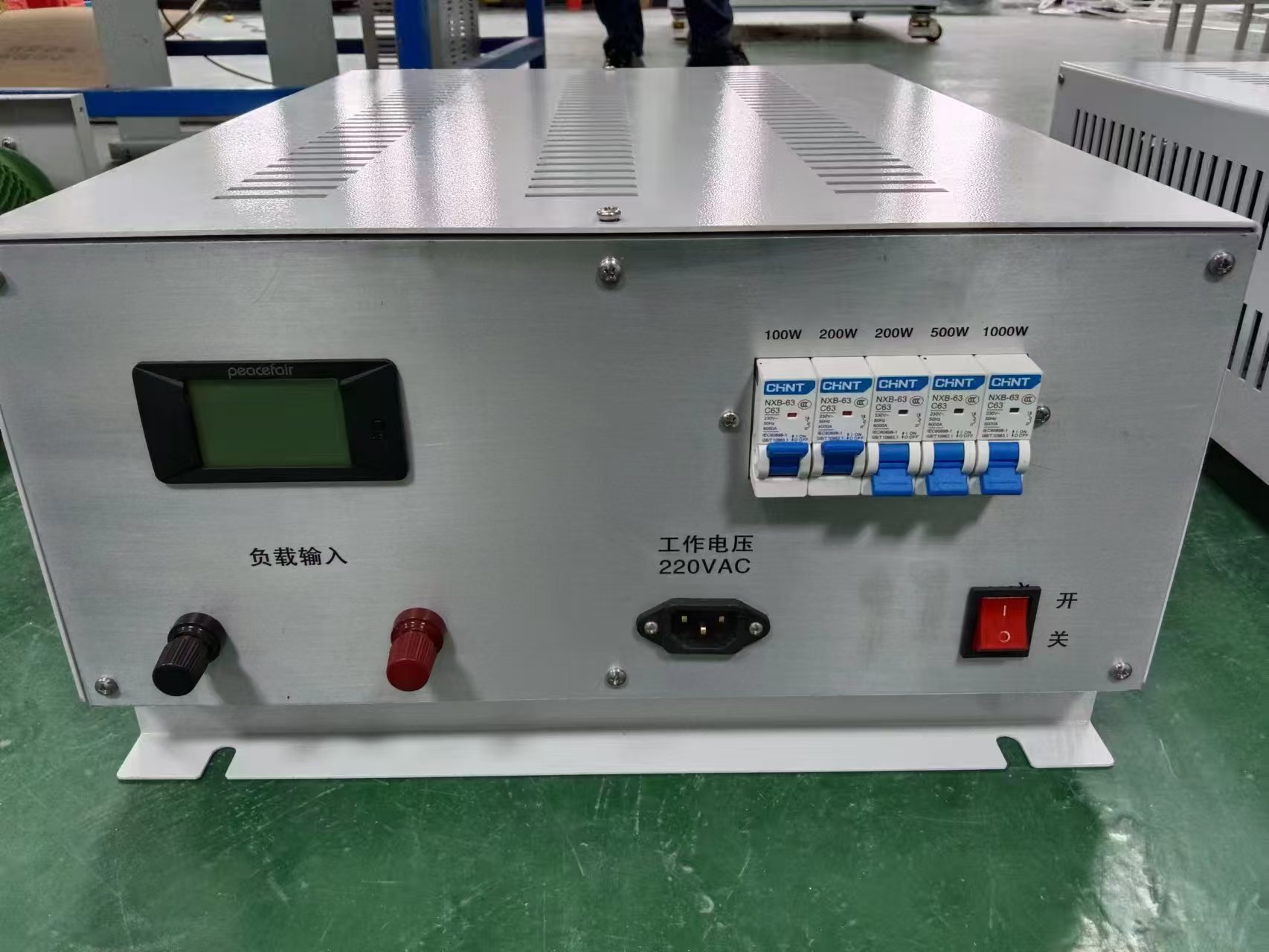
Resistor Boxes
Integrated resistor cabinet solutions for industrial braking and energy dissipation
View product familyRelated Articles
How to Choose a High-Power Braking Resistor — A 2026 Engineer's Guide
Five common sizing mistakes, the formulas you actually need (with worked example), and how to read derating curves correctly.
Read article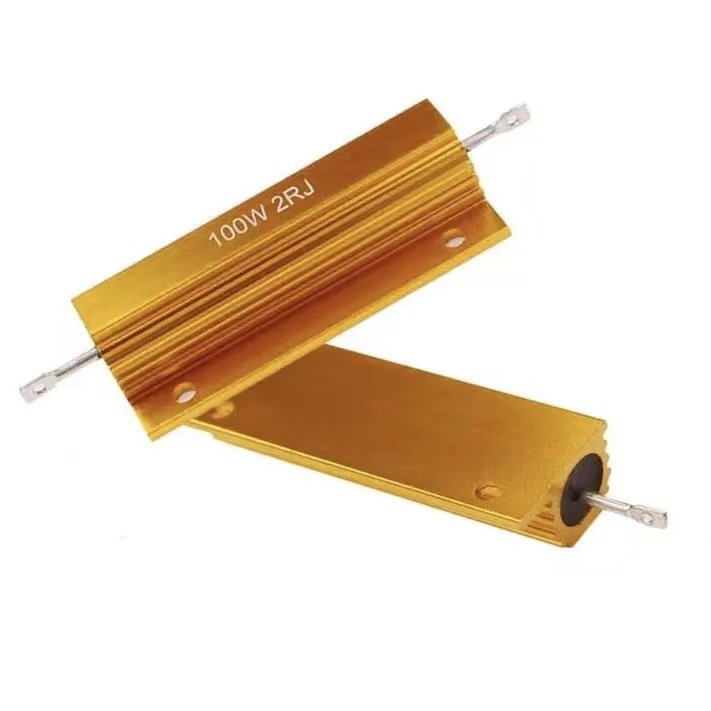
Aluminum Housed vs Cement vs Wirewound Resistors — Complete Comparison
Which family fits your application? A 12-parameter table, decision flowchart, and three real-world case studies.
Read articleFrequently asked questions
Why does my elevator's braking resistor smoke after just a few months?
What's the difference between a regen unit and a brake resistor for an elevator?
Where should the braking resistor be mounted in a machine-roomless (MRL) lift?
Can I retrofit a braking resistor onto an old elevator with a basic VFD?
Sample Request
Standard samples are provided free of charge in reasonable quantities (shipped within 2–3 business days). Custom samples are delivered within 2–4 weeks. Please use the form on the right to tell us:
- Company and contact details
- Target part number or key specs (power / resistance / package)
- Application scenario and estimated annual volume
- Shipping address and expected delivery date