
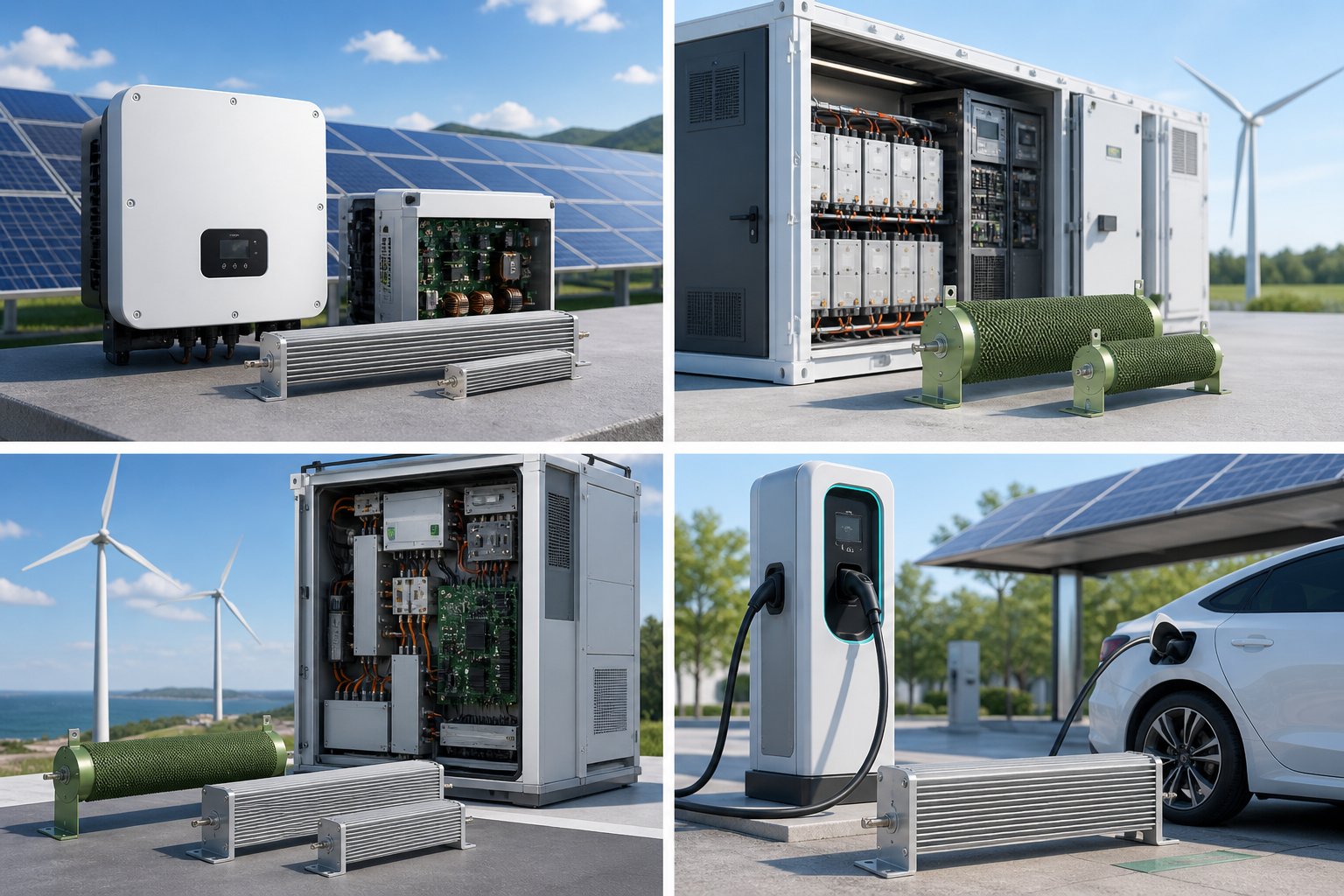
Resistors for Battery Energy Storage Systems (BESS)
Utility-scale BESS containers (typical 2.5 MWh / 1500 VDC, paired with a 1.25 MW Power Conversion System) rely on resistors at four points. PCS pre-charge resistors (50–200 Ω, 1–3 kW) limit inrush into 50–100 mF DC-link banks before the main DC contactor closes. Cell-balancing resistors in the BMS (33–100 Ω, 1–2 W per cell) bleed off high-SOC cells via passive balancing, equalizing 416 series cells in a typical LFP rack within a 5 mV target. Insulation-monitoring resistors enable IMD circuits to detect chassis faults on the floating DC bus per IEC 62933-5-2. Discharge resistors safely drain the DC bus to <60 V within 5 minutes for service. Hongyi supplies UL 1973 / IEC 62619 compatible aluminum-housed and PCB-mount resistors with 25-year design life for grid-scale storage operators worldwide.
Key Requirements
- PCS pre-charge: 50–200 Ω, 1–3 kW for 1500 VDC links with 50–100 mF capacitor banks
- Cell-balance: 33–100 Ω, ±1% tolerance, 1–2 W per cell, ≤2 µV/°C TCR for stable balancing
- IMD insulation reference: 100 kΩ–10 MΩ, ±0.5%, low VCR for accurate Riso measurement
- Discharge to <60 V in 5 minutes per IEC 62933-5-2 service-safety requirement
- Operating temp -25°C to +55°C inside container, with 95% RH humidity tolerance
- UL 1973 / IEC 62619 / NFPA 855 fire-safety compatible (low smoke, no halogens)
How to Select
- Match pre-charge τ to your PCS contactor sequencer (typically 1–2 s for 1500 V systems)
- For balancing, calculate worst-case bleed current at top-of-charge cell ΔV (e.g., 50 mV/100 Ω = 500 µA)
- Pick IMD reference resistance to give measurement bandwidth >0.5 Hz at the IMD's input impedance
- Use halogen-free, low-smoke materials for cabinet-internal resistors per NFPA 855
- For 25-year service, derate continuous power by 0.5 to allow for thermal cycling fatigue
- Confirm AEC-Q200 if PCS qualifies under automotive-grade reliability standards
Recommended Products
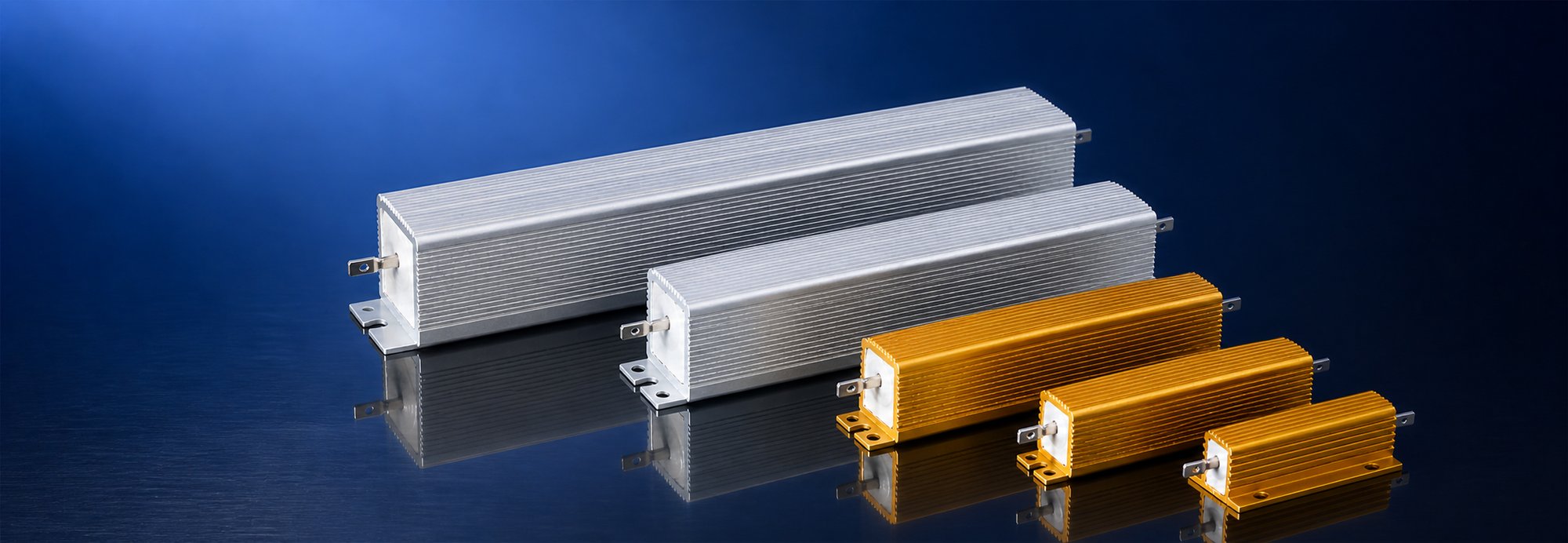
Aluminum Housed Resistors
Aluminum-housed resistors with superior heat dissipation — ideal for inverters, servo drives and other high-power applications
View product family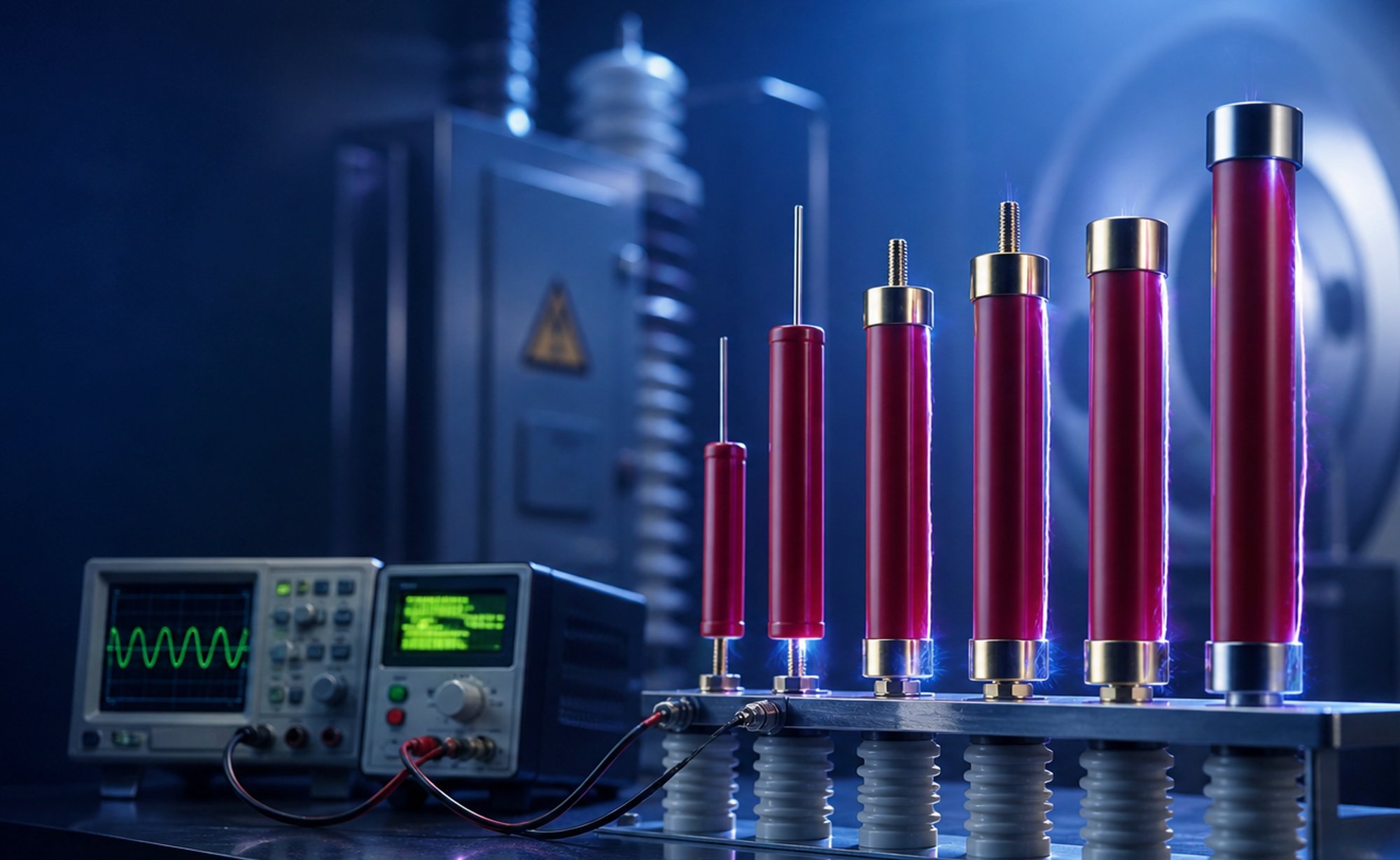
High-Voltage Resistors
Professional resistors for high-voltage pulse, discharge, X-ray and HV measurement
View product family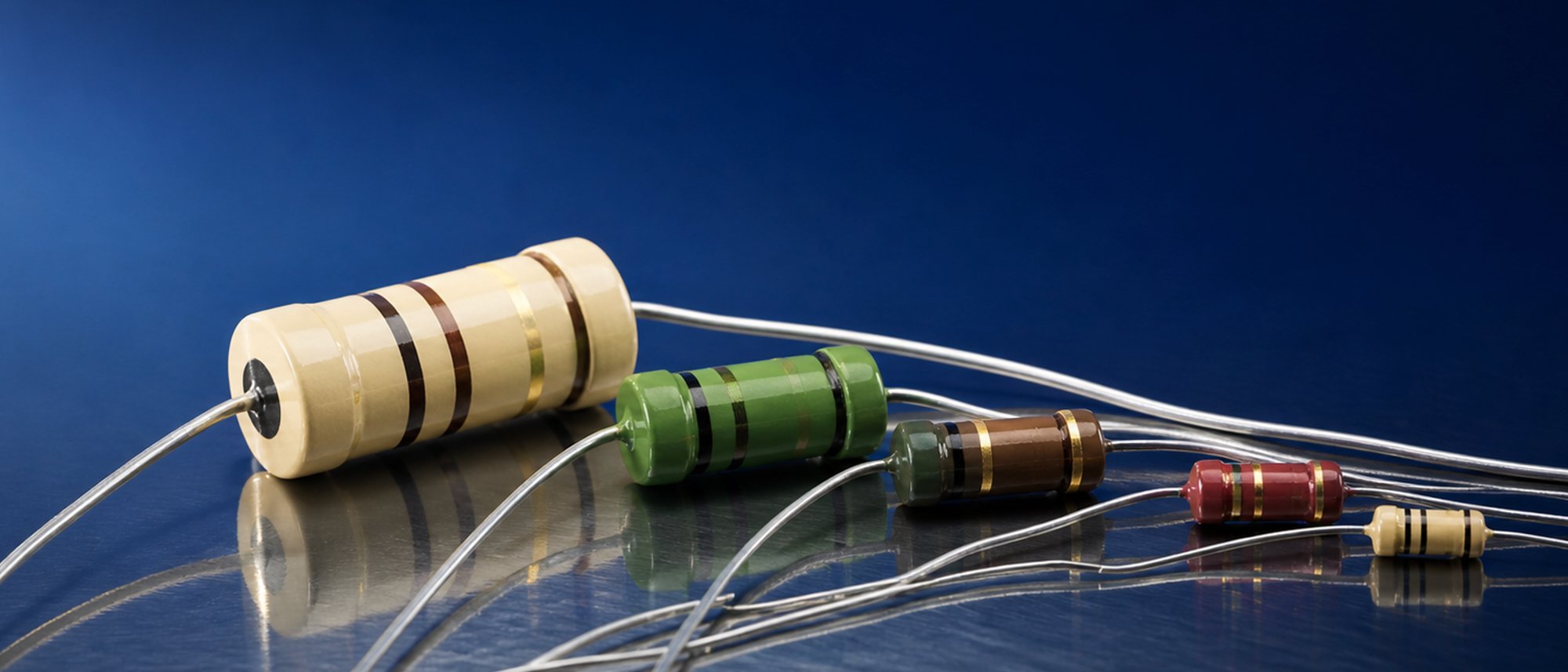
Wirewound Resistors
High-precision, low-noise wirewound resistors for measurement and current sampling
View product family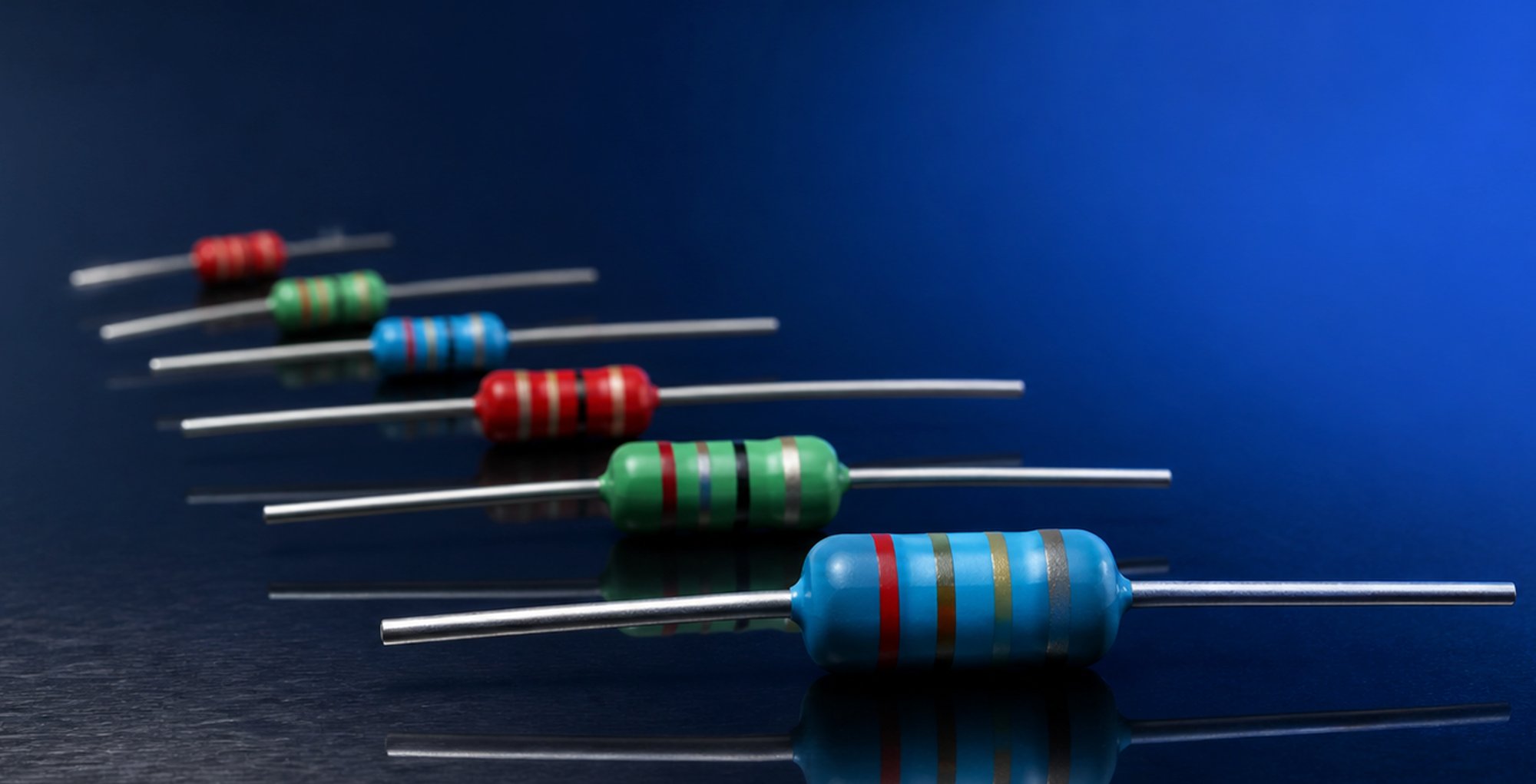
Fuse Resistors
Dual-function components combining current limiting with overload protection
View product familyRelated Articles
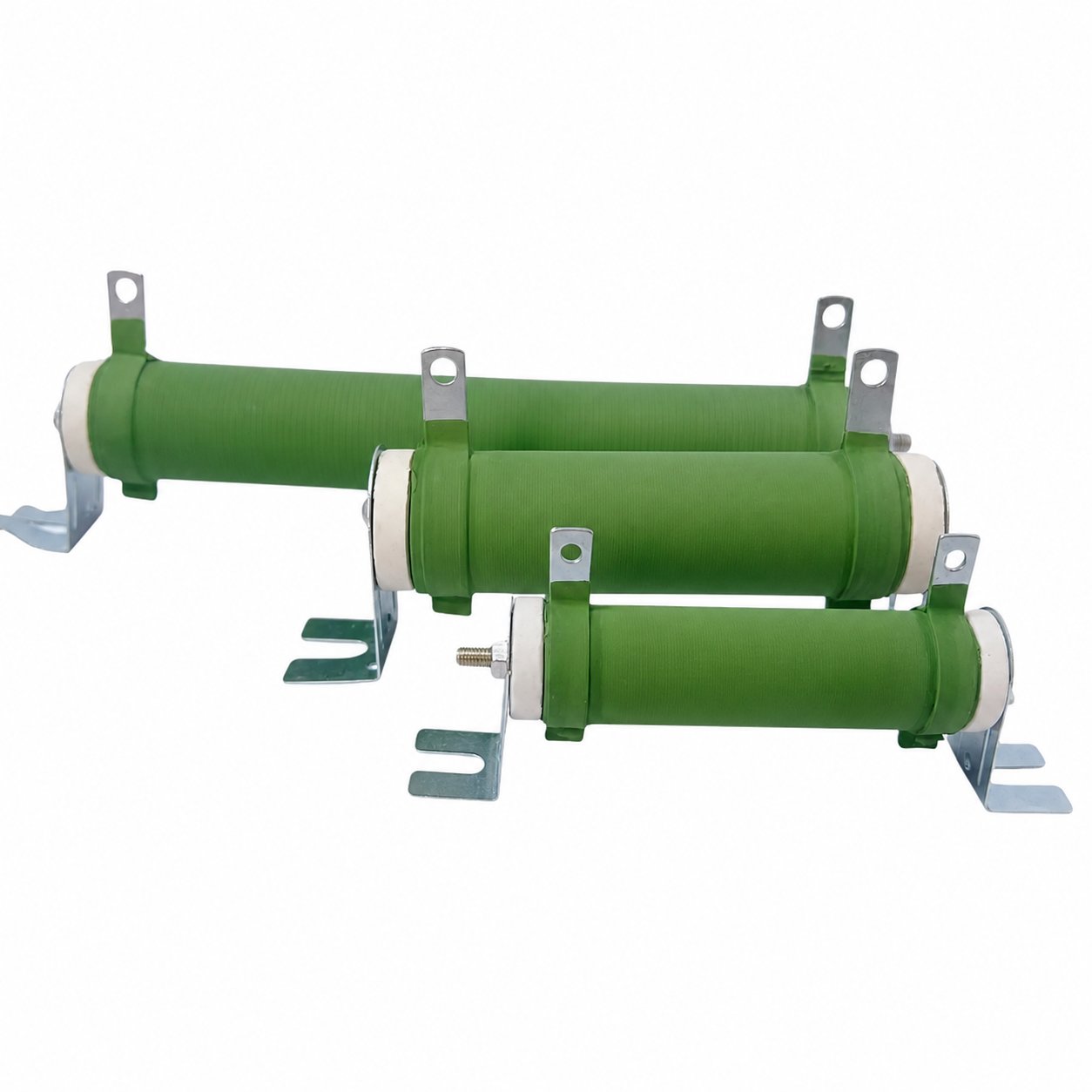
Resistor Failure Modes and Reliability — An Engineer's Guide
Five failure modes, the physics behind each, how to detect them in test, and design rules that yield 100k-hour MTBF in real industrial environments.
Read article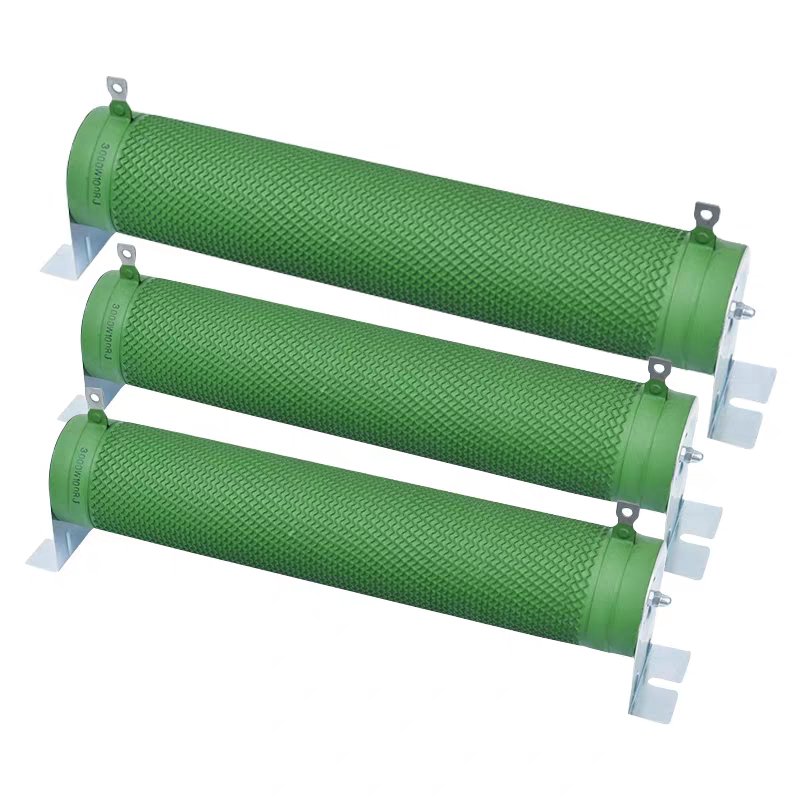
How to Choose a High-Power Braking Resistor — A 2026 Engineer's Guide
Five common sizing mistakes, the formulas you actually need (with worked example), and how to read derating curves correctly.
Read articleFrequently asked questions
What's the difference between passive and active cell balancing in a BESS BMS?
How do I size a pre-charge resistor for a 1500 VDC, 100 mF BESS PCS?
Are your resistors NFPA 855 fire-safety compliant for indoor BESS containers?
How long does a passive balancing resistor last in 25-year BESS service?
Sample Request
Standard samples are provided free of charge in reasonable quantities (shipped within 2–3 business days). Custom samples are delivered within 2–4 weeks. Please use the form on the right to tell us:
- Company and contact details
- Target part number or key specs (power / resistance / package)
- Application scenario and estimated annual volume
- Shipping address and expected delivery date